- Best for
- Cozy, move-friendly living room updates
- Cost
- Under $500
- Difficulty
- Easy (no installs)
- Time
- Half-day
Why earthy boho notes are the living room seating area of 2026
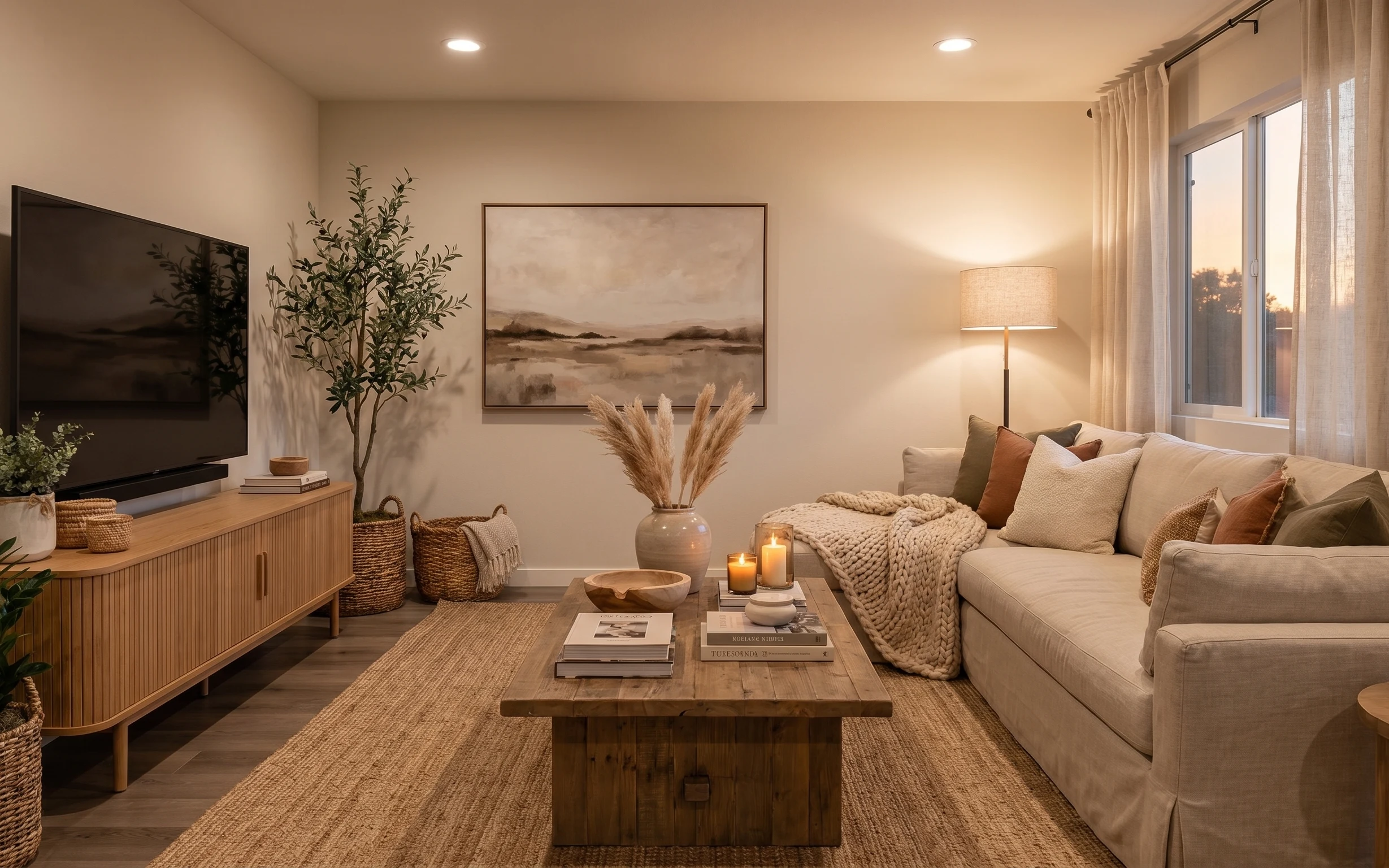
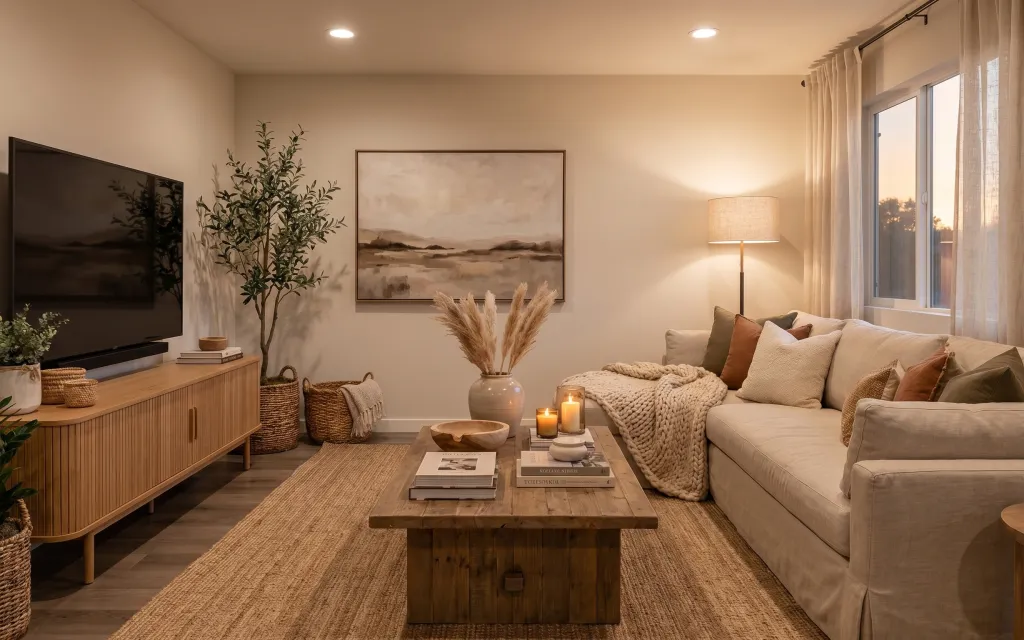
The recipe here is less “perfectly styled” and more “intentional comfort”: a large, warm area rug; cream and tan textiles with one rust accent; and layered, lamp-warmed light. You can see how the textures matter—the chunky knit throw, the woven rug fibers, and the soft-beige lamp shade all pull the eye without feeling fussy. Even the décor follows a simple rule: greenery in natural shapes (tree + pampas), plus small objects grouped on the coffee table for a calm, collected look.
I used to copy magazine photos by buying the prettiest version of everything at once—then the room felt heavy. What changed my mind was realizing this setup is mostly about contrast and spacing: one grounding rug, one big framed print, and just a couple of “busy” textures (like the knit and the pampas). When those anchor pieces are right, the candles and tray styling become easy instead of overwhelming.
Layer 1 — Area rug ($150) anchors the whole seating zone
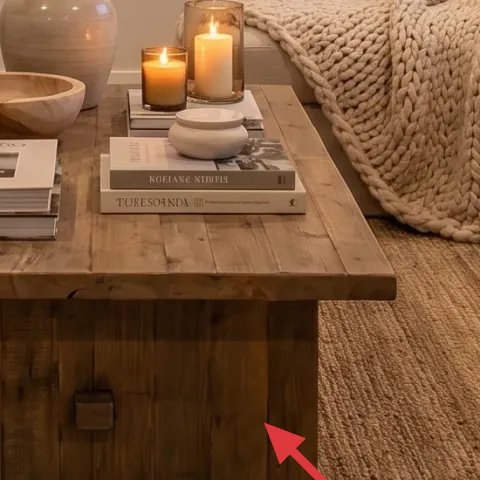
This warm-toned area rug sits under the coffee table and reaches into the sofa area, which is why the room feels pulled together even with lots of natural décor. Choose a flatwoven or low-pile look in tan/neutral so it won’t fight the knit throw and pillows. The trade-off: a lighter rug color can show wear faster, but it’s an easy swap when you move because it rolls up and packs flat. Compared to smaller rugs, a larger footprint reduces “floating furniture” vibes and makes the lamp glow feel softer.
Pick the rug first, then match textiles to it
Use the rug’s undertone (beige vs. golden) to choose pillow and throw colors so everything reads cohesive.
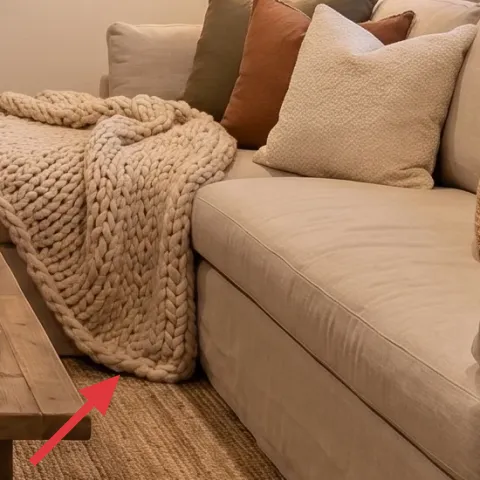
Layer 2 — Throw blanket draped on sofa ($25) adds texture without committing to decor
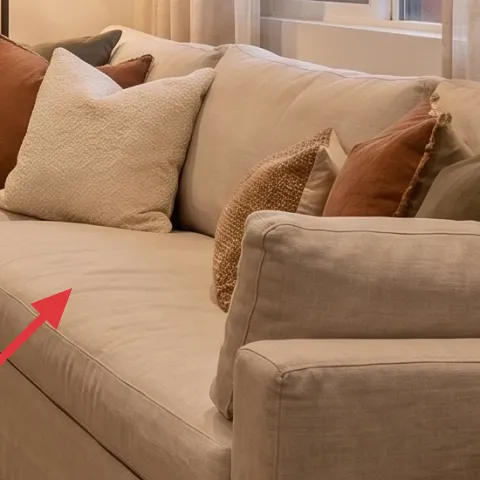
The throw blanket in the hero is doing the work of a light layer—cozy, but not bulky. A knit texture shows up clearly against the sofa’s smoother fabric, and that contrast is what makes the whole setup feel “put together” instead of randomly placed. The move-friendly part: blankets fold and pack into the same box as extra linens. The trade-off is comfort versus neatness; a draped throw looks best when it’s slightly off-center, not folded like a stack. If there’s no throw yet, start with a neutral chunky knit so it works with both warm and cool seasons.
Drape, don’t pin
A relaxed fold keeps removal easy, which matters in shared housing when everything has to fit the next lease.
Layer 3 — Rust throw pillow cover ($12) brings the “earth” accent in one small dose
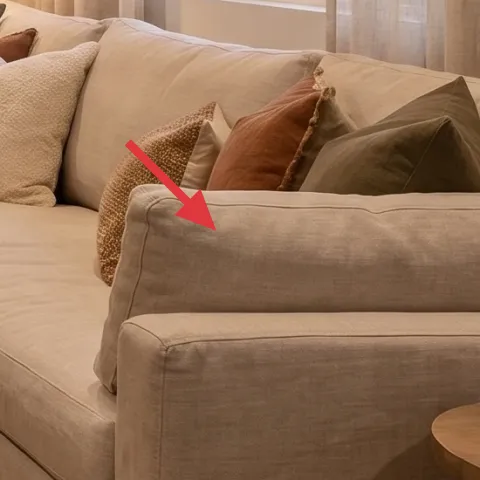
That rust pillow cover is a tiny color decision with big payoff: it echoes the warm undertones in the lamp light and ties the neutrals to the greenery shapes. Go for a pillow cover with a subtle texture—matte fabric or a gentle knit—so it doesn’t look glossy next to the woven rug. The trade-off is that bright accents can feel trendy if they’re too saturated, so stick to terracotta/rust instead of red-red. Compared to adding another patterned item, a single accent pillow reads calmer and is way easier to swap when the room mood changes.
Limit accent colors to one “warm note”
One rust or terracotta piece prevents the space from turning into a color-collage.
Layer 4 — Framed landscape wall art ($80) gives the wall a soft focal point
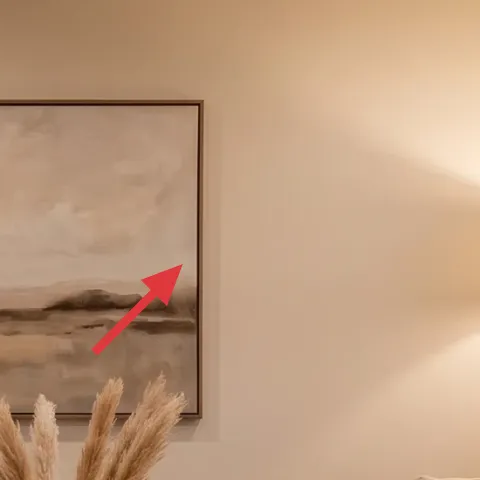
The framed landscape wall art is centered above the sofa, creating a clear visual “stop” so the room doesn’t rely on décor scattered around the coffee table. Choose a neutral landscape with sandy beige and muted sky tones to match the rug and pillow palette. The trade-off is scale: too small and it won’t read as the anchor, too large and it dominates. The hero’s frame sits like a calm window—perfect for rentals because it can usually move with you intact. If the landlord restricts hanging, look for a freestanding or clip-on mounting option that doesn’t require drilling.
Don’t make two statement walls
With greenery, candles, and textured textiles already happening, keep the wall focal point single and simple.
Layer 5 — Plug-in table lamp with beige shade ($60) creates warm evening depth
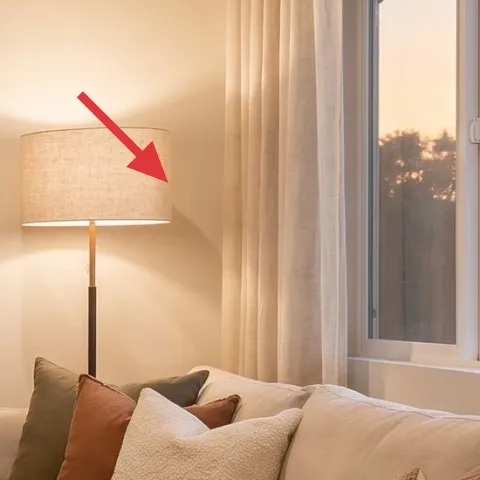
That plug-in table lamp is the difference between “daytime tidy” and “nighttime cozy.” A beige drum shade spreads light softly, and the warm bulb color flatters the rug fibers and the knit throw. The key trade-off: a lamp won’t add color like décor does—it shapes mood through light, so it pairs best with neutral textures and one warm accent. Compared to relying only on overhead lighting, the lamp adds depth at couch height, which is where you actually sit. It’s also rental-friendly because it’s corded and easy to pack.
Match the shade color to your textiles
A cream/tan shade keeps the room from feeling too cool next to warm neutrals.
Layer 6 — Candle set on decorative tray ($35) makes the coffee table feel intentional
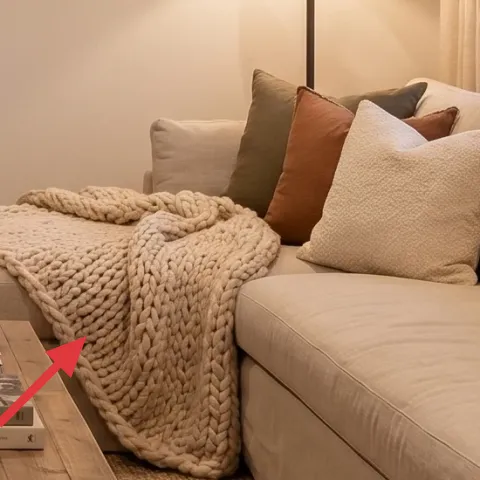
On the coffee table, candles grouped on a decorative tray read as a deliberate vignette rather than “random small objects.” The advantage of candles in rentals is that you can keep the tray and swap the flicker—different heights, different scents, different seasons—without buying new furniture. The trade-off is safety and maintenance: candles need supervision, and wick trimming helps keep them burning evenly. If the glow is the goal, don’t overfill the tray—leave a little negative space so the rug and lamp remain the backdrop. Warm metal or wood trays also photograph better than glossy ones.
Stick to a tight candle trio
Two or three candles in similar tones look styled; too many turns into clutter fast.
Layer 7 — Decorative tray on coffee table ($35) turns small clutter into a vignette
The decorative tray sits right where shared housing life happens—near the center of the seating area—so it helps keep everyday items looking “styled” even when the room is lived-in. In the hero, the tray gives structure to candles and small pieces, which makes the whole coffee table look calmer. Choose a tray that matches the room’s warm materials (wood, woven textures, or neutral tones) so it disappears into the palette instead of standing out loudly. The trade-off is that trays are additional surface styling, so it helps to use one tray only, not five. Once it’s in place, the room stays put even when other things shift.
Use trays as containers, not displays
Grouping items on the tray makes cleaning faster when roommates are rotating schedules.
The cost, layer by layer
| Layer | Item | Cost |
|---|---|---|
| 1 | Area rug | $150 |
| 2 | Throw blanket | $25 |
| 3 | Rust throw pillow cover | $12 |
| 4 | Framed landscape wall art | $80 |
| 5 | Plug-in table lamp | $60 |
| 6 | Candle set | $35 |
| 7 | Decorative tray | $35 |
| Total | $397 | |
A cheaper variant keeps the same layout but swaps costs: choose a smaller low-pile rug ($80) and a lighter throw ($25), then focus most of the budget on one framed art print and the table lamp for the biggest lighting impact.
What worked, what didn't (across the whole room)
The wins here are the repeatable ones: a big grounding rug, a single framed wall focal point, and warm light at couch height. The textured textiles and grouped coffee-table styling keep the room from feeling empty even when it’s mostly neutrals.
What worked
- The area rug defines the seating zone and stops the coffee table from looking like it floats.
- The beige lamp shade creates soft light that flatters knit and woven textures after dark.
- One rust pillow cover adds a warm accent without turning the palette into multiple competing colors.
- Framed landscape wall art gives the sofa wall a calm focal point so décor looks intentional.
- Grouping candles on a tray makes a small coffee-table vignette that feels curated.
- The tray structure helps keep everyday items from spreading across the tabletop.
What didn't
- Trying to add too many small décor pieces around the tray makes the center feel cluttered.
- Over-bright candle scents can compete with the warm neutral palette and feel “too much.”
- If the rug is too small, the rug edge makes the whole seating area feel divided.
- Using a cool-toned lamp shade next to warm textiles can make the room look uneven.
- Choosing a rust accent that’s closer to red-red can fight the beige and tan undertones.
What we'd skip if we did it again
Skip buying a second framed print just to fill the wall. This hero look relies on one calm, centered artwork above the sofa; adding more pieces usually duplicates the same visual job and makes the room feel busy.
Skip a tray that’s too glossy or too small for the coffee table. When the surface doesn’t match the room’s warm materials (wood/woven neutrals), it draws attention away from the rug and candles.
Skip over-styling the coffee table with lots of different heights and shapes at once. Candles look best in a tight trio, and the throw plus rug already supply plenty of texture to keep the space from feeling flat.
Frequently asked
How long does this kind of refresh take?
Most of these changes happen fast because they’re all swap-and-style items: rug positioning, laying a throw, swapping pillow covers, and setting up the lamp plus tray vignette. Plan about 3–4 hours if the framed art can hang without drilling. If the wall situation is tricky, focus first on textiles and lighting, then handle art placement last.
Is this renter-friendly if the lease rules are strict?
Yes—everything in the plan is meant to be portable. The rug rolls, blankets and pillow covers fold, the plug-in lamp and candles move easily, and a decorative tray can be packed in the kitchen box. For the framed landscape wall art, choose a method that doesn’t require drilling and that won’t pull up paint.
What if my room is smaller or has a weird layout?
Keep the same order of operations: rug first, then lighting, then textiles, then the single wall focal point. In a smaller living room, use the smallest rug that still reaches under the coffee table legs, and choose a slightly slimmer lamp shade. The goal is coverage that still reads as one seating zone.
What if I don’t want to buy a rug that’s close in color to tan?
You can pivot without breaking the look: keep the rug in a neutral family (beige, oatmeal, or warm gray) and make sure the throw and pillow cover match the rug undertone. The lamp shade color is also doing a lot—stay within cream or warm beige so the room’s light stays cohesive.
Where should shared-housing shoppers look for these items?
For the best value, start with big-box home stores for rugs and lamps, then shop home decor sections for trays and candle sets. For framed art, look for straightforward landscape prints that come ready to hang with removable hardware options. Pillow covers and throws are easiest to find quickly in essentials colors.
What’s the biggest mistake in this kind of living room refresh?
The most common miss is treating every item like it needs to be the “main character.” When the wall art is busy, the rug is small, and there are multiple accent colors, the room ends up visually noisy. Aim for one anchor (the art), one foundation (the rug), and one warm accent note (rust pillow).