- Best for
- small entry styling
- Square footage
- under 120 sq ft
- Cost
- $300 total
- Difficulty
- easy
Why warm wood-and-cream foyer is the entryway bench nook of 2026
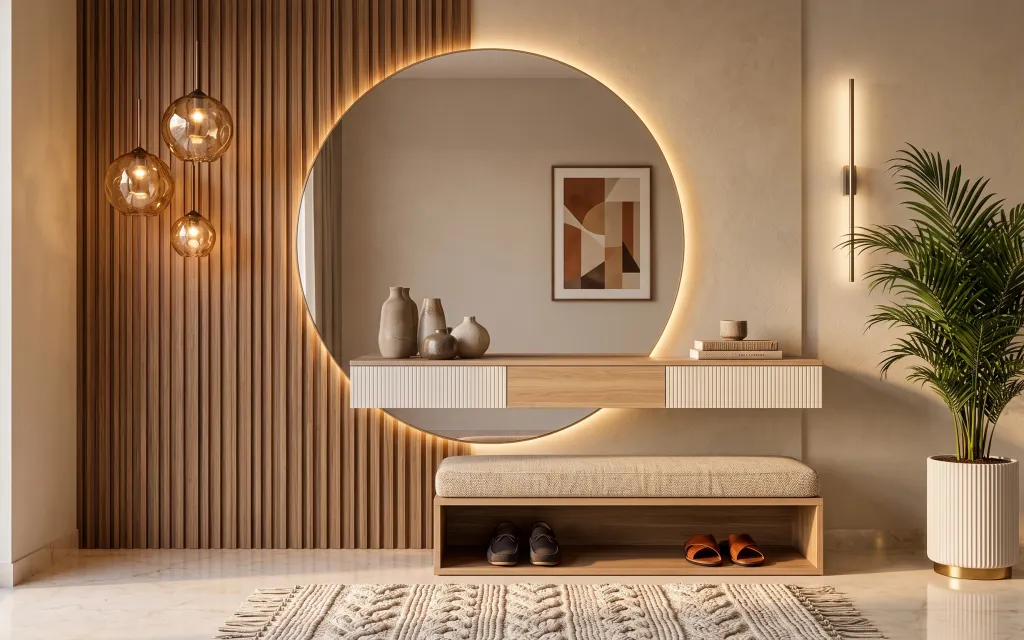
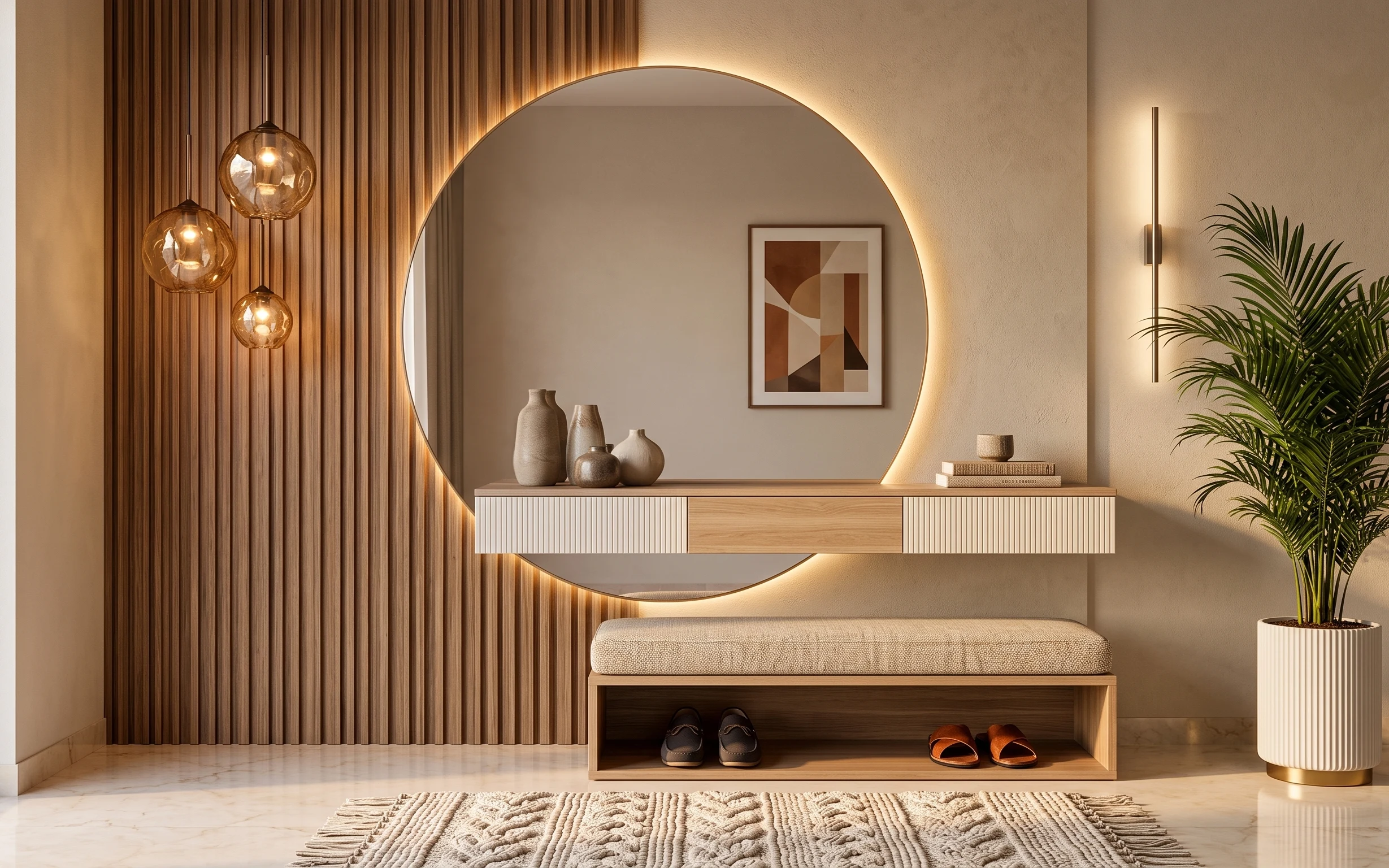
That arched mirror shape, the wood panel backdrop, and the way warm light bounces across the marble floor are doing most of the heavy lifting in this photo. The styling is all about soft contrast: textured beige rug, a cushioned seat in a light neutral, and grouped ceramics (those three decorative vases) on the console table. For shared housing, the best part is the “look” is mostly textiles and freestanding decor, which means it packs into a few cardboard boxes when the lease ends.
The first time I tried to copy this kind of entryway, I over-bought rigid furniture and ended up with a box pile that never quite fit. This time, I kept my changes to what can roll, fold, and wrap—rug, cushion covers, and wall prints—then used height (mirror + plant) to make it feel finished. The result reads styled, not cramped, even in a small footprint.
Layer 1 — area rug ($80) Textured beige that hides everyday scuffs
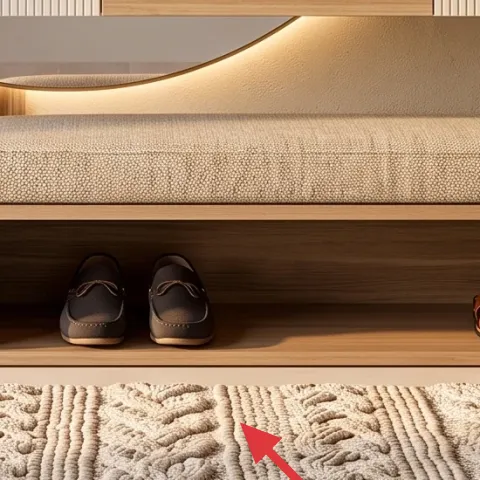
In a bench nook, an area rug works like a soft landing zone for shoes and quick pauses—especially on a shiny marble tile floor where scuffs show up fast. This one keeps the palette in the same cream/beige family as the bench cushion, so nothing clashes with the warm walnut wood tones. The trade-off: a low-pile rug won’t feel plush like a bedroom carpet, but it’s easier to roll and pack when you move. If the floor already looks clean, swapping the rug is still worth it because texture is what makes the whole entryway feel intentional.
Layer rug edges for less slide
Add a non-slip rug pad so the rug doesn’t creep while you step in and out. It keeps the visual line crisp around the bench without permanent changes.
Layer 2 — bench cushion ($25) DIY dyed cover for a warmer undertone
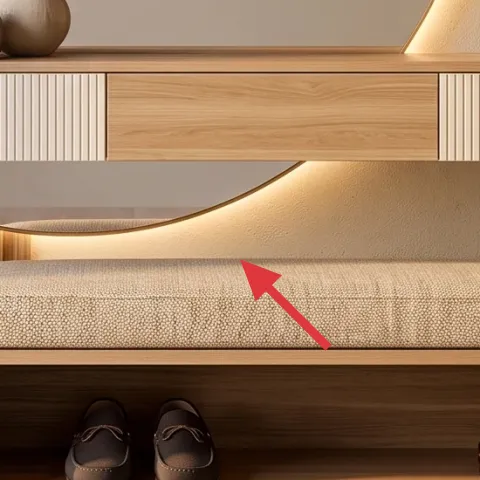
That bench cushion reads light and airy in the hero, which is why the whole nook feels brighter than a typical entryway. Instead of buying a new cushion frame (hard to move and often too expensive), the move-friendly approach is changing the cover tone. Dyed pillow covers let you steer the undertone—more oat, less gray—so the cushion blends with the wood panel wall and the cream accents. The trade-off is that tie-dye-style results are unpredictable, so go for a consistent dye wash on a cover that fits snugly over the cushion surface.
Make it instead of buying it
This layer DIYs dyed pillow covers so the bench cushion tone matches the warm wood and cream palette in the photo.
Materials
- Fabric dye (warm neutral shade) — 1 kit — store dye aisle — $8
- Large plastic tub/bin — 1 — big box store — $6
- Salt — 1 small box — grocery store — $3
- Gloves — 1 pair — pharmacy — $2
- Measuring cup/spoon — 1 set — thrift/household — $1
Steps
- Measure the cover surface area and mix dye according to the kit ratio for a mid-depth warm wash.
- Pre-wet the cover so dye spreads evenly instead of spotting.
- Stir the dye bath well, then submerge the cover and keep it moving gently for even color.
- Soak at the recommended time for the depth you want, checking once to avoid over-darkening.
- Rinse in cool water until it runs mostly clear, then wash separately for safety.
- Dry fully before slipping the cover onto the bench cushion.
Total DIY cost: $20 — saves about $5 over buying.
Use warm-neutrals, not cool grays
Cool dye shades can fight the warm walnut wood tones. Aim for an oat/tan direction so the cushion looks like it belongs in the same palette.
Layer 3 — arched mirror ($60) The face-framing shape that stretches the nook
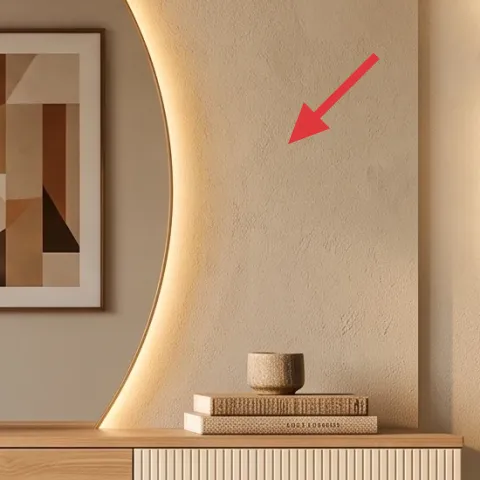
This arched mirror shape is the “structure” of the bench nook—softening the straight lines of the console table and making the entryway feel taller than it is. A mirror also helps with light in shared housing, where hallway lighting is often dim or inconsistent; here it looks like warm ambient light is bounced back into the space. Choosing a moveable mirror matters because fixed installations aren’t an option. The trade-off: an arched mirror is bulkier than a framed print, so prioritize one with secure backing and plan to wrap it carefully for transport.
Don’t buy an oversized mirror without padding
Mirrors chip easily in transit. Wrap edges fully and use corner protection so a move doesn’t turn it into a sharp problem.
Layer 4 — framed abstract print ($25) One centered frame, not a multi-piece wall
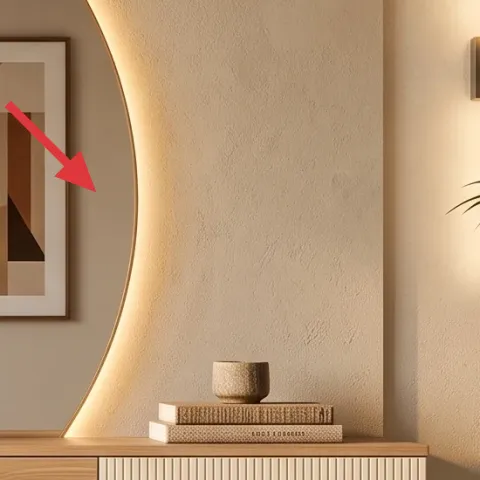
The framed abstract print inside the mirror area keeps the wall from feeling empty while staying visually calm. In a small-space entry, a single centered piece works better than trying to build a whole gallery wall that you’ll have to repack and rehang later. The hero palette leans warm earth tones, so a warm-toned abstract print helps your mirror look intentional instead of accidental. The trade-off is less variety in art styles, but the composition stays clean—and it’s easier to swap if your roommates’ tastes change.
Keep the frame color close to the wood
Metal and light wood tones both work, but matching the undertone to the walnut wood panel wall keeps everything cohesive.
Layer 5 — decorative vases ($20) Grouping in three heights reads styled
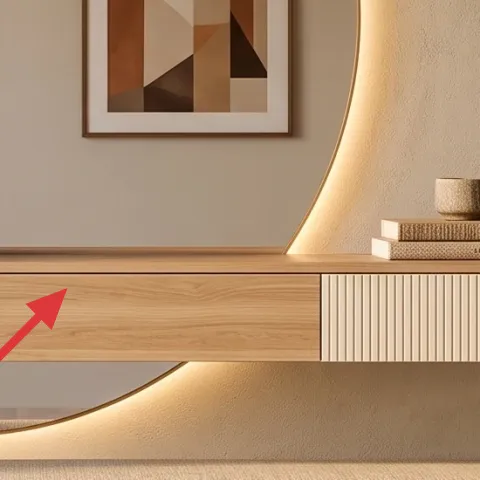
On the console table, the decorative vases are doing more than “holding space”—they create rhythm. The photo uses multiple shapes in a neutral ceramic finish, grouped close enough to feel curated but spaced enough to keep the silhouette readable. For renters and shared housing, this is great because vases are freestanding and easy to pack in smaller boxes. The trade-off: ceramic can be fragile, so the realistic budget choice is lighter-weight pieces (or thrifted sets) and extra packing paper. Even a simple trio makes the console look finished without buying a new console.
Favor matte finishes over shiny glaze
Matte ceramics photograph and blend better with warm ambient light, and they hide tiny scuffs from moves.
Layer 6 — potted palm plant ($30) Add height without floor clutter
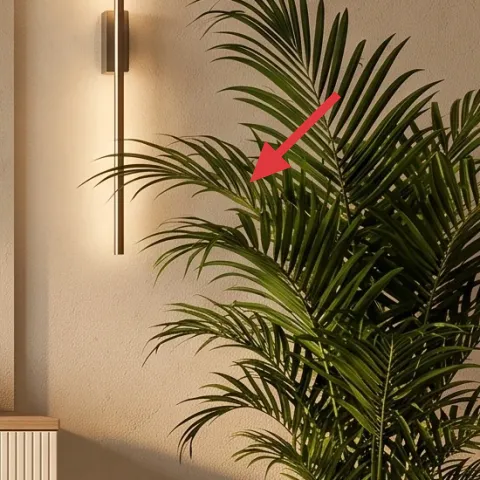
A tall potted palm plant on the right side adds instant vertical balance, which makes the console table feel anchored instead of floating. It also softens the hard edges from the marble tile floor and the wood panel wall. The trade-off is maintenance: plants need light and occasional watering, and a droopy plant reads worse than an empty pot. To keep it move-friendly, choose a pot that’s stable and not too heavy, then pack the plant pot securely with paper around the base.
Pick a plant with realistic care needs
If your entry gets low light, go smaller or choose a hardier plant. A plant that survives reads better than a perfect plant that struggles.
Layer 7 — console table ($60) A narrow top for quick styling wins
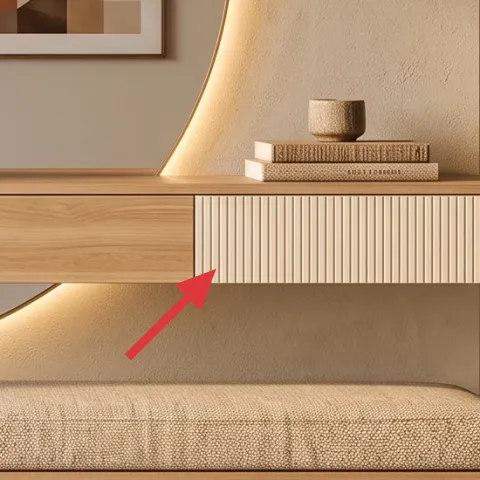
The console table in the photo is long, narrow, and built for small zones: it holds the mirror “moment,” a cluster of decorative vases, and books without taking up a walkway. For shared housing, the most practical approach is choosing a slim freestanding console that can disassemble or move in one trip—so you don’t get stuck with a furniture-sized moving headache. The trade-off is that narrow tables have less storage depth, but the visual reward is worth it for entryway setups where the goal is style at a glance. Styling the top with a tray and a couple of objects keeps it from turning into random clutter.
Use the top as a staging area
One plant plus three small objects beats five scattered items. It keeps the entryway “photo-ready” without extra decor purchases.
The cost, layer by layer
| Layer | Item | Cost |
|---|---|---|
| 1 | Area rug 5×7 | $80 |
| 2 | Bench cushion dyed cover (retail equivalent) | $25 |
| 3 | Mirror (24–36") | $60 |
| 4 | Framed art print 16×20 | $25 |
| 5 | Decorative ceramic vases (set) | $20 |
| 6 | Indoor plant (4–6 ft) | $30 |
| 7 | Side/console table (slim) | $60 |
| Total | $300 | |
If the budget needs to dip, keep the arched mirror and framed print, then go cheaper on the plant by choosing a smaller tabletop version and swapping the rug for a thinner washable rug. The warmth still comes from cream textiles and the warm neutral ceramics.
What worked, what didn't (across the whole room)
The winning combo is visual height (arched mirror + potted palm plant) paired with soft texture (area rug + bench cushion). That mix makes a narrow entry feel intentional instead of purely functional. The other win is that everything listed here is packable—no drilling, no “new permanent fix,” just swaps that travel well.
What worked
- The textured area rug made shoe traffic feel less harsh on the marble tile floor.
- Changing only the bench cushion cover kept the look fresh without replacing bulky furniture.
- The arched mirror softened the console table lines and visually stretched the bench nook.
- A single framed abstract print avoided the cluttered feeling of multi-piece walls in small spaces.
- Grouped decorative vases created a styled console look with minimal objects.
- The potted palm plant added vertical balance without taking up a walkway.
What didn't
- Too-small a mirror made the entry feel boxed in rather than open.
- Shiny ceramic finishes looked distracting under warm ambient light compared with matte pieces.
- A very plush rug was harder to roll and pack, even when it looked great at home.
- Overstyling the console with extra decor made it feel busy instead of composed.
- Plants with heavy pots were annoying to move and needed more repotting than expected.
What we'd skip if we did it again
Skip buying multiple “statement” wall pieces to build a quick gallery. In an entryway bench nook, one framed abstract print reads cleaner and travels easier. It also avoids the common mistake of mismatched frame sizes that look fine in-store but uneven on the wall.
Skip going heavy on the plant. A large, fragile pot plus a full-size planter can turn a weekend refresh into a moving chore. A smaller potted palm plant (or a pot that’s easy to lift) gives you the same height effect with less hassle.
Skip replacing the console table unless the current one truly doesn’t work. Many shared-housing consoles are already narrow enough; a rug upgrade, a color change on the bench cushion, and a tighter grouping of decorative vases can make the whole top look intentional without furniture-level decisions.
Frequently asked
How long does this kind of entryway refresh take?
Most changes take a couple of hours: swap the area rug, replace the bench cushion cover, and set up the console styling. The arched mirror and framed abstract print are quick if they already have hanging hardware you’re allowed to use. If you DIY dyed pillow covers, add time for dyeing, rinsing, and drying—plan for a full afternoon and evening.
Is this renter-friendly for shared housing?
Yes—this approach leans on freestanding swaps and soft goods. The big visual elements (area rug, bench cushion cover, decorative vases, a potted palm plant) pack easily and don’t require permanent installs. For wall items like the arched mirror and framed abstract print, use only whatever temporary hanging method your lease allows, and avoid anything that damages the wall surface.
What if my entryway is smaller or narrower than the photo?
Go narrower on the console styling, not on the height. In a tight footprint, keep the same “vertical stack” idea: mirror for height, one framed print for balance, and one tall plant. If the room feels too crowded, reduce the decorative vases to a trio or even two, but keep their heights varied so the console still looks composed.
What if I want the warm wood look but my walls are cooler-toned?
Match the undertone through textiles and ceramics. Choose an area rug and bench cushion cover in cream/beige rather than pure white, and pick decorative vases that are matte and warm-neutral. Even with different wall paint, this palette keeps the entry from reading icy—warm light will do the rest.
Where should I shop differently to stay on budget?
Start with soft goods and thrift-style decor: area rug and framed art prints are often cheaper secondhand, while decorative vases can be mixed from small individual finds. For the arched mirror, compare sizes across resale marketplaces because the shape is the key. New is fine for the potted palm plant if it’s in good condition.
Biggest mistake people make in this room type?
Overbuying decor for the console before fixing the base layers. If the area rug and bench cushion aren’t working together, the whole corner looks off no matter how pretty the vases are. Another common mistake is choosing an oversized mirror that crowds the walkway—scale should feel tall, not cramped.
More in Small Spaces
Under $300: move-ready entryway bench nook refresh
A move-friendly entryway bench nook refresh built from seven swap-able items (mostly soft goods) for under $300. The look leans warm wood, …
Under $400: boho-natural stair landing swaps
This stair landing nook refresh brings boho-natural warmth with a patterned area rug, a plug-in table lamp, and move-ready plant styling. E…
Under $800: warm wood-and-brass entryway console refresh
Refresh an entryway console table with seven weekend-friendly swaps for under $800: paint the framed print, add warm lighting, and style st…