- Best for
- Layering a bed zone with renter-friendly swaps
- Time
- 2–4 hours
- Total cost
- $399
- Renter-safe
- Soft goods + plug-in lighting
Why warm earth-toned budget styling is the bedroom of 2026
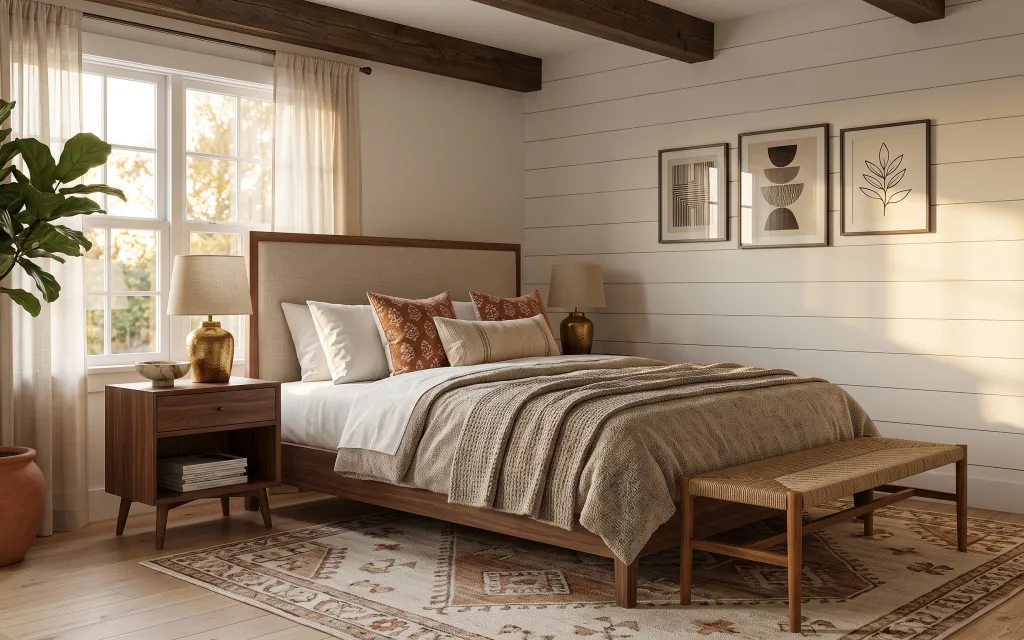
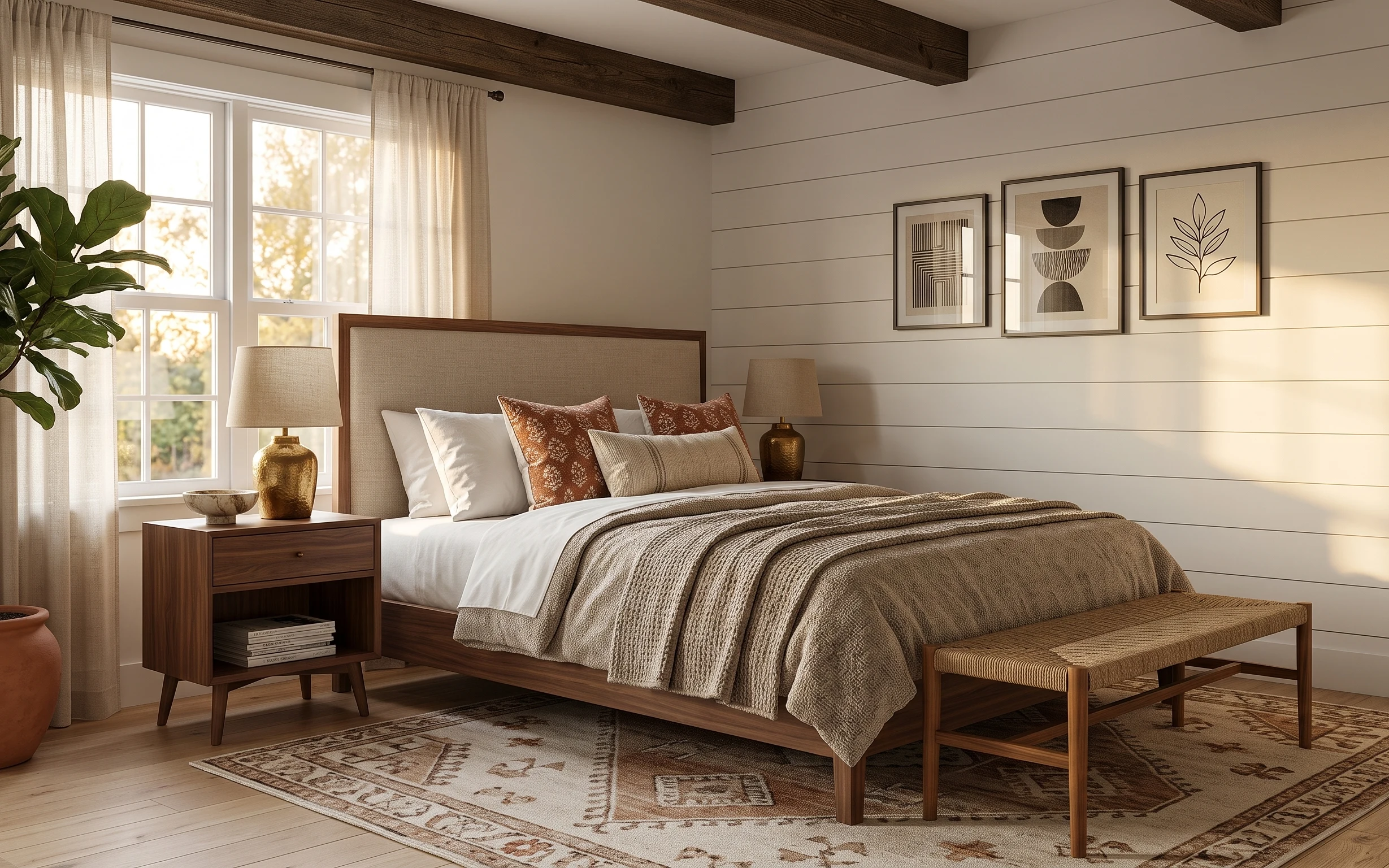
The magic here is how the warm beige fabrics and dark walnut wood read together, especially with that late-day sun. The room leans on three textures: sheer-ish curtain panels, woven throw blanket texture, and a rug with a faded, vintage-style pattern. That’s the part I actually chase in my own rentals—because it makes the space feel finished without touching anything fixed. For shared housing, you can recreate the same layering effect with clip-on lighting, peel-in-friendly soft goods, and frame-ready wall art that comes down easily.
I used to overthink “statement” pieces, like I had to buy one big, pricey item to make the room work. Then I moved and realized my favorite bedrooms weren’t about one purchase—they were about repetition: the same warm tones showing up in curtains, pillows, and the rug. Once I started building that color and texture echo, the whole room looked intentional even in a temporary layout.
Layer 1 — area rug ($200) Faded pattern anchors the bed zone
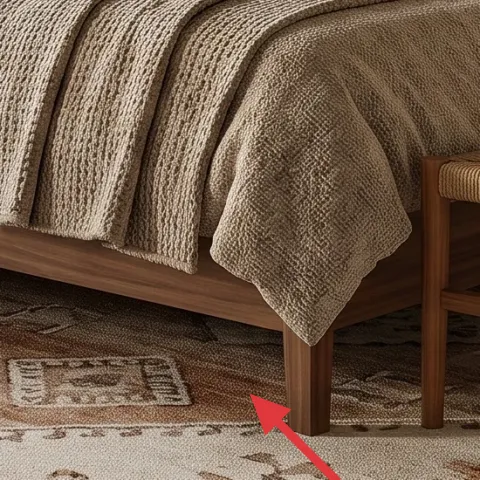
Start with the area rug because it does the heavy lifting for color and visual “grounding.” In the photo, the rug’s faded pattern and warm undertone soften the light wood floor and make the bed feel like it belongs to the room, not just placed in it. A solid alternative can work, but you’ll lose that vintage-style movement that keeps the neutral palette from looking flat. The trade-off: a patterned rug makes spills more noticeable at a glance, so choose one with enough variation to hide everyday life.
Pattern with restraint
Pick a rug with mottled, faded tones so your pillows and throws can stay busy without fighting each other.
Layer 2 — curtain panels (pair) ($30) Tall drapes add height without repairs
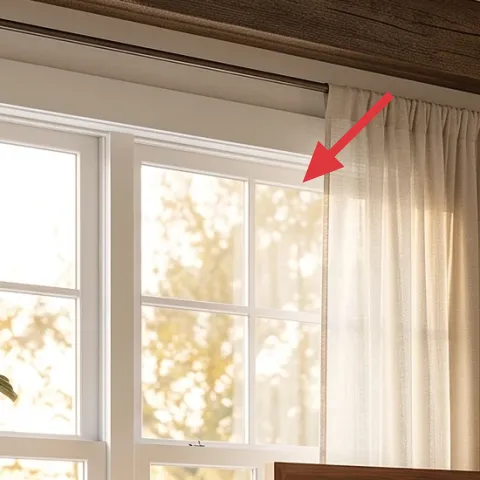
These curtain panels are doing double duty: they soften the wall-and-ceiling lines, and they keep the daylight looking warm instead of harsh. Hanging two long panels creates that vertical sweep that makes a rental feel taller, especially near the window. The obvious alternative is a shorter curtain or blinds-only look, but that usually makes the room feel choppy and unfinished. The trade-off is you’ll need good spacing and consistent hanging so the folds look even; once set, you can roll and pack them in a move without hassle.
Go for fullness
More fabric per window helps the drape fall in gentle folds instead of looking stretched.
Layer 3 — throw blanket ($25) Warm weave texture over the bed
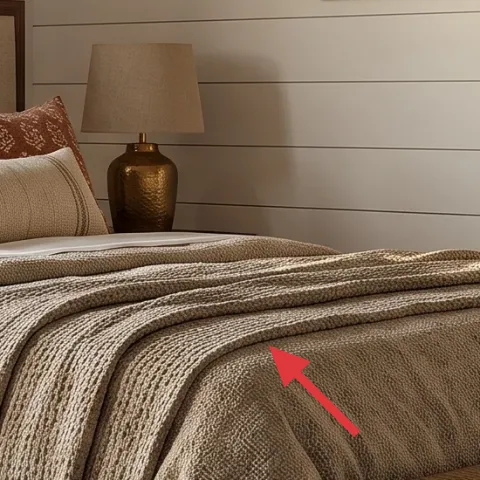
Layer a textured throw blanket across the bed to echo the woven, earthy feeling of the rug and pillows. In the hero, the throw sits folded over the front edge and also drapes lightly over the bed, which makes the whole setup look styled without adding bulky pieces. If you choose a smooth blanket, you’ll get a flatter look that reads more “catalog” than lived-in. The trade-off is texture can shed a little at first—treat it like a new sweater and shake it out before you let it touch your real life.
Fold, don’t stack
A single fold over the edge keeps the bed looking layered while still packing flat.
Layer 4 — pillows on bed ($24) Rust-and-cream accents that repeat
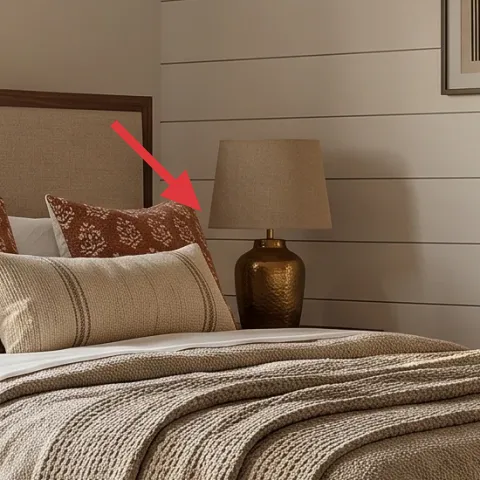
The pillows on the bed are what tie the warm rust tones back into the rest of the palette. Here, you can see both the crisp white base and the rust-patterned pillows, plus a softer neutral pillow underneath—so the bed reads “collected” instead of matchy. The alternative is buying one decorative pillow, but that usually leaves the bed feeling under-styled at a distance. The trade-off: mixing patterns works best when they share one dominant color family, so stick to rust, cream, and warm beige.
Repeat one color, change the texture
Rust should show up more than once, but the fabrics can switch between smooth and woven.
Layer 5 — table lamps (plug-in) ($35) Two light sources keep evenings soft
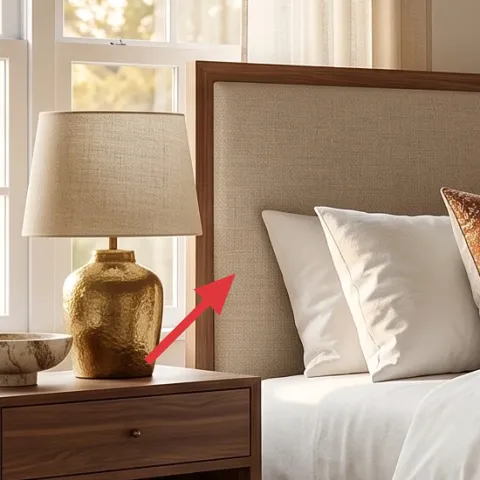
The plug-in table lamps are key because they add warm, directional light at night—without any hardwired changes. In the photo, the lamps sit on the nightstand area and cast a golden pool that flatters the beige curtains and wood surfaces. If you rely on overhead lighting, the room tends to look flatter and a little sterile compared to this warm mood. The trade-off: matching lamps isn’t required, but keeping the same shade color family matters, so choose warm tan shades that don’t fight the rug and curtains.
Watch bulb temperature
Choose warm bulbs (not blue-white) so the beige and rust tones stay cohesive after dark.
Layer 6 — terracotta planter pot ($25) Add a plant moment you can pack
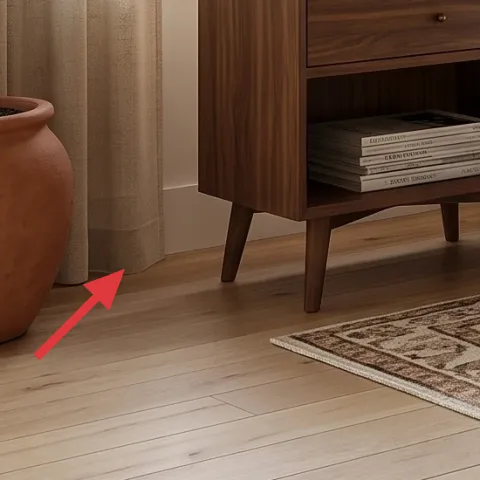
A terracotta planter pot makes this room feel grounded, and it’s an easy way to bring in the warm orange-brown notes already present in the pillows and rug. Since it’s freestanding, it’s rental-friendly and can move with you instantly. The “obvious” alternative is skipping the plant, but then the room loses the organic texture contrast that makes everything feel less staged. The trade-off: keep the pot light if you’re moving often, and don’t pick something too fragile if you’ll be loading/unloading in a smaller vehicle.
Make it instead of buying it
Paint a pair of small terracotta planters with warm earth tones so you get the same terracotta warmth without paying for a finished set.
Materials
- Small terracotta planters (2) — about 2 planters — craft store — $8
- Acrylic craft paint (warm beige or soft clay) — 1 bottle — craft store — $5
- Sponge brush — 1 pack — craft store — $2
- Painter’s tape — 1 roll — hardware store — $2
Steps
- Rinse and dry the terracotta planters so paint grabs evenly.
- Use painter’s tape to block off simple shapes or bands you want to keep terracotta.
- Stipple or sponge on acrylic paint in thin coats for an even, earthy finish.
- Let the first coat set until touch-dry.
- Apply a second thin coat to even out color and coverage.
- Peel tape carefully and let the paint finish drying fully before styling.
Total DIY cost: $17 — saves about $8 over buying.
Layer 7 — framed abstract wall prints (three) ($60) Simple triptych that lifts the eye
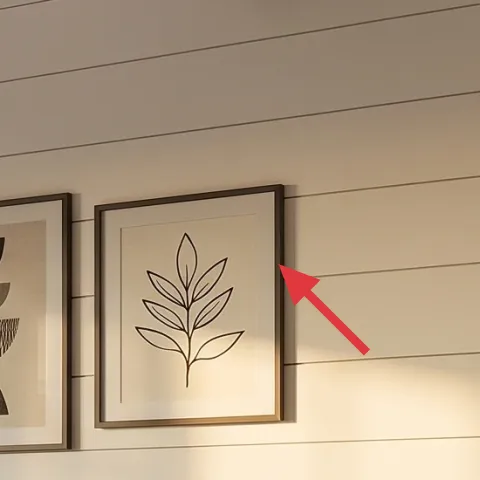
The framed abstract wall prints are what give the room “designed” energy without needing any wall changes. In the photo, three frames in a tight grouping add rhythm above the bed, and the neutral linework matches the warm palette instead of introducing loud color. A single oversized print can feel heavy in a rental, but a small trio spreads the visual weight and looks good even if you move furniture later. The trade-off is spacing: the frames need consistent alignment, so measure the grouping on the floor before you hang.
Layout first on the floor
Arrange the three frames as a set before you commit to where they land on the wall.
The cost, layer by layer
| Layer | Item | Cost |
|---|---|---|
| 1 | Area rug (5×7) | $200 |
| 2 | Curtain panels (pair) | $30 |
| 3 | Throw blanket | $25 |
| 4 | Pillow covers on bed (set of 2) | $24 |
| 5 | Plug-in table lamp | $35 |
| 6 | Terracotta planter pot | $25 |
| 7 | Framed abstract wall prints (set of 3) | $60 |
| Total | $399 | |
If you need to go cheaper, swap the framed print set for a single framed abstract print and reduce the rug size to a smaller 3×5 or 4×6. You’ll keep the warm palette, but with a little less “bed zone” definition.
What worked, what didn't (across the whole room)
This setup works because it repeats warm neutrals across big surfaces (rug and curtains) and then adds rust texture through textiles. The framed prints help the bed wall look intentional, and the table lamps keep everything soft after dark. My main miss in similar rooms is going too minimal—one accessory tends to look like an accident instead of a choice.
What worked
- The area rug’s faded pattern keeps the bed zone from feeling temporary in a rental.
- Curtain panels add height and make the window area feel finished without any hardware changes.
- Throw blanket texture makes the bed look styled even when everything else is simple.
- Rust-and-cream pillows repeat the color story and stop neutrals from reading flat.
- Plug-in table lamps create warm pools of light that match the beige tones.
- Terracotta plant styling adds an organic texture that balances wood and fabric.
What didn't
- A solid rug would reduce the visual “movement” that makes the palette feel collected.
- Too-short curtains break the vertical line and make the ceiling beam feel farther away.
- Sleek, lightweight throws look less layered and more like a last-minute cover.
- Warm bulbs matter—cool bulbs can make beige look gray and fight the rust pillows.
- Wallpaper-style busy prints on the wall would overpower the bed textiles.
What we'd skip if we did it again
Skip buying a matching “set” of everything. In a shared rental, the look holds together because textures repeat (woven + linen-like + rug pattern), not because every item is identical.
Skip cold-light bulbs even if the lamps are cute. Warm bulbs keep the beige curtains and rust pillows from turning gray, and the room reads closer to golden-hour in photos.
Skip oversize, fragile decor. If you’re moving in a year or two, prioritize items that pack flat or are easy to carry—like framed prints you can box and a terracotta plant you can protect.
Frequently asked
How long does this bedroom refresh take in a shared housing timeline?
Plan on 2–4 hours total. The fastest wins are the rug placement, curtain hanging, and throw/pillow styling—those can be done in one sitting. The only slower part is spacing the framed prints so the trio looks intentional; doing a floor layout first prevents back-and-forth. If you DIY the planters, budget another 30–60 minutes of active time plus drying.
What if my room is smaller than the photo?
You can scale down without losing the look. Choose a smaller rug size that still lands under the front third of the bed, and use longer curtain panels so they still reach near the floor. Keep the pillow count the same but tighten the layering—one patterned pillow, one warm neutral, and one cream. For wall art, swap the set of three for a triptych that’s slightly narrower.
Can I do this if I’m not allowed to change anything fixed in the room?
Yes—this plan is built around moveable swaps. It uses curtain panels, plug-in table lamps, freestanding terracotta planters, and framed prints that come down with you. The bed textiles (throw and pillows) are fully removable. Avoid anything that requires drilling or replacing built-in fixtures; the changes here are all soft goods and surface-level styling.
Where should I shop to keep costs near the target budget?
For the biggest savings, start with the area rug and curtain panels at value retailers or during seasonal sales. Look for plug-in table lamps that use standard bulbs so they’re easy to repack and replace. For the wall art, search for a framed print set of three with neutral linework, then confirm the sizes match your bed wall spacing before buying.
What’s the biggest mistake people make in bedrooms like this?
The most common miss is choosing only one “statement” item and leaving the rest plain. Here, the cohesion comes from repeating warm beige and rust across multiple surfaces: rug pattern, curtain drape, pillow color, and a terracotta plant. If one of those elements goes missing, the room can look like it’s missing a step instead of intentionally minimal.
More in Bedroom
Under $400: move-ready bedroom refresh with warm earth tones
A warm earth-tone bedroom refresh for shared housing—built from move-friendly swaps that pack into boxes. This plan hits the look with curt…
Under $800: modern farmhouse bedroom refresh with 7 easy swaps
A soft, modern farmhouse bedroom refresh built on 7 weekend swaps—starting with a flat-weave area rug, cozy throw texture, and warm brass s…
Under $600: brass-and-terracotta bed nook refresh
A warm brass-and-terracotta bed nook makeover that stays renter-friendly and packs up when the lease ends. Get the layered, gallery-wall lo…