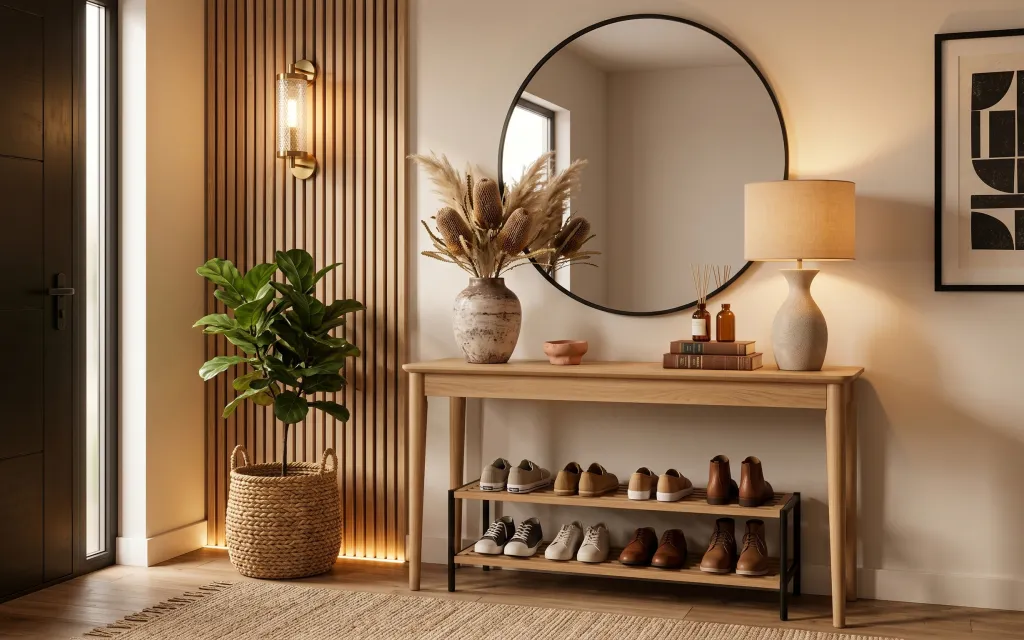
- Square footage
- Best for compact entries (about 40–90 sq ft)
- Cost
- $465 total for the full look
- Difficulty
- Easy swaps + one DIY paint session
- Renter-safe
- Yes—everything is plug-in or movable
Why warm wood-and-amber lighting is the entry console nook of 2026
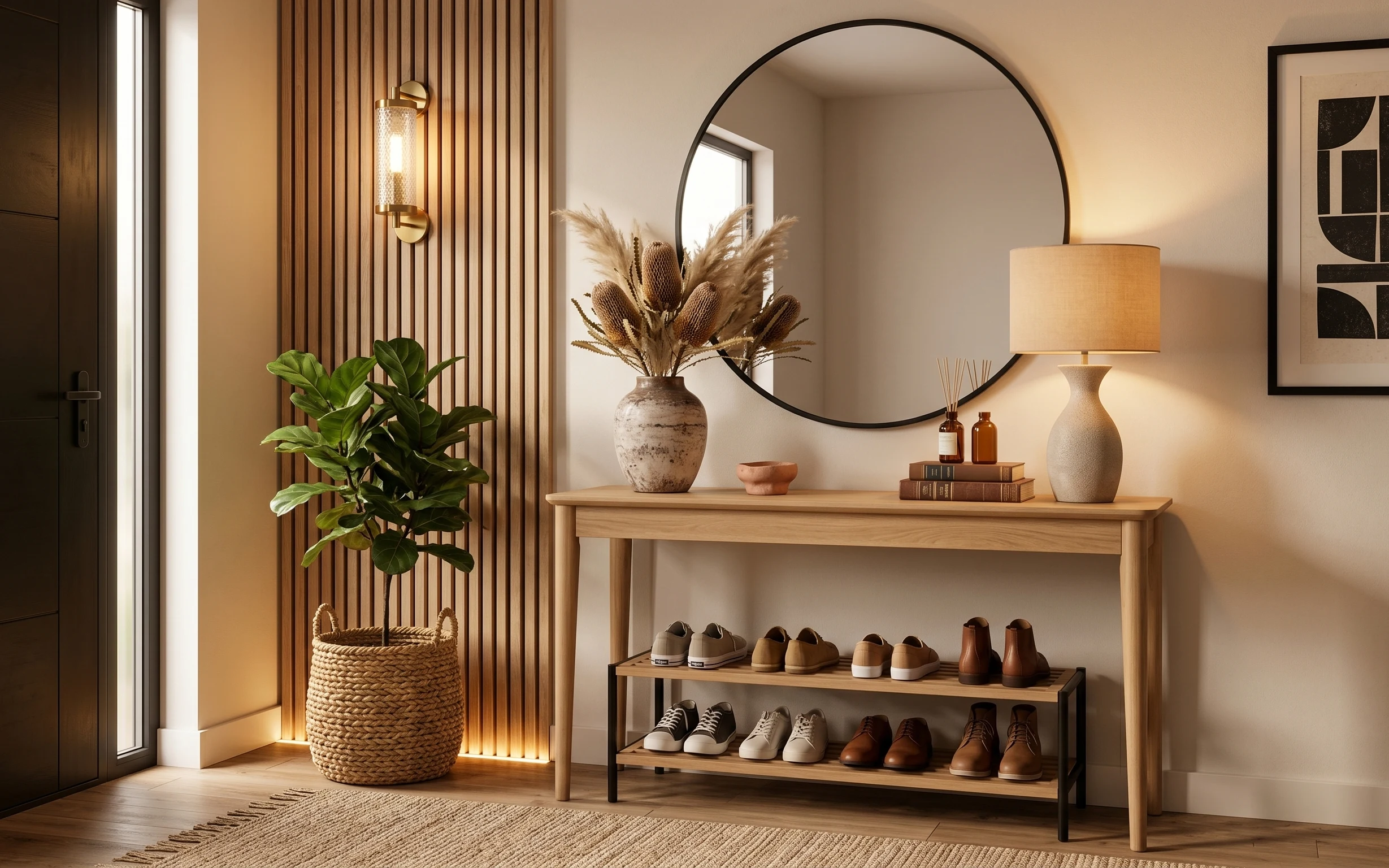
The first thing that makes this look work is the warm mix of materials: light wood on the console and slat wall, a tan woven rug underfoot, and matte ceramics that don’t fight the light. The large round mirror adds softness by cutting through all the vertical lines, and the table lamp keeps the vibe cozy even when the overhead isn’t doing much. For renters, the best part is that every piece here can be carried, unplugged, or lifted off when the lease ends.
I used to overdo entryway decor by adding too many matching “sets,” and it always ended up looking like a showroom. This time I kept to one palette (warm wood, cream, and black), then repeated textures instead of colors: woven, ceramic, and fabric. Once I let the mirror be the focal point, the smaller items—bottles, books, and the little pot—finally looked styled instead of cluttered.
Layer 1 — tan area rug ($100) Texture under your feet
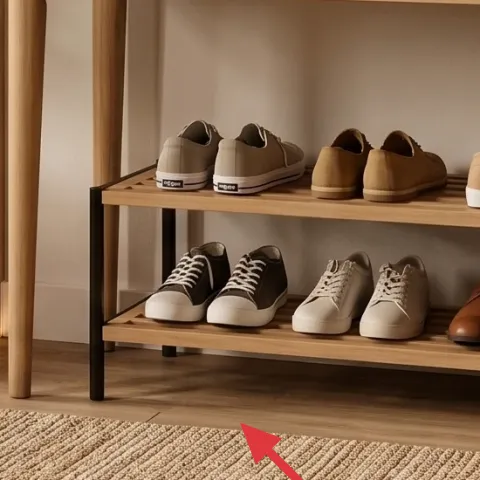
A tan area rug is doing the quiet heavy lifting here. It anchors the entry console nook on the light wood floor and makes the whole setup feel more “finished” than bare planks ever will. Jute or jute-look fibers also echo the woven basket and the natural ceramics, so the room feels cohesive without matching everything perfectly. The trade-off is that you’ll want a rug pad if your flooring is slick, and you’ll choose a size that covers the walkway area. In a small entry, coverage matters more than pattern.
Pick coverage over pattern
In a tight entry, aim for a rug that sits under the console and extends toward the shoe rack so your eye reads one grounded zone.
Layer 2 — green indoor plant in woven basket ($35) Adds lived-in volume
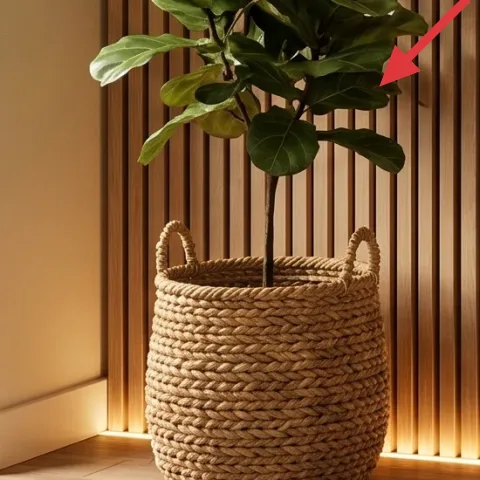
This green indoor plant in a woven basket brings height and movement to the corner near the door. It’s especially effective in entryways because it softens hard lines—like that wood slat wall—and gives the space a reason to pause, not just pass through. Buying an already potted plant is the renter-friendly shortcut: no soil mess, no transplanting, and you can swap it later when seasons change. The trade-off is choosing a basket size that won’t crowd the floor, but the woven texture also helps the rug and ceramics look intentional.
Go for woven + greenery
The basket texture echoes the rug, so even a single plant reads like a full “moment” instead of a random decoration.
Layer 3 — large round wall mirror ($120) Breaks the vertical lines
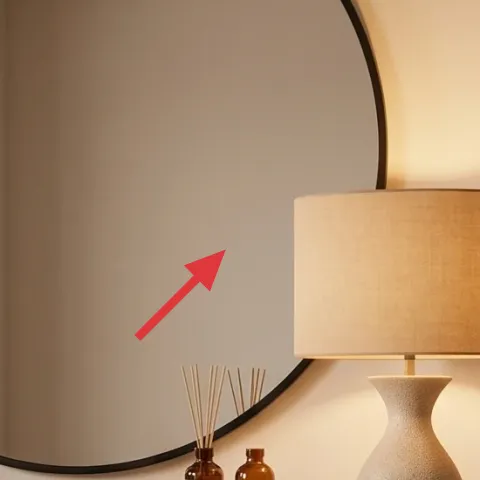
The large round mirror works because it interrupts the strongest geometry in the scene: vertical slats. A round shape makes the entry feel softer and more balanced, and it bounces light from the window toward the console. For renters, the key decision is choosing the hanging method that fits your lease—this is why mirror placement matters more than swapping wall paint. The trade-off is that a statement mirror takes visual space, so the rest of the styling stays simple: one lamp, one ceramic grouping, and a couple of small accents instead of a full display shelf.
Let the mirror be the focal point
If you’re using a big mirror, keep decor to a short stack on the console so it doesn’t compete for attention.
Layer 4 — table lamp with fabric shade ($60) Warm glow at eye level
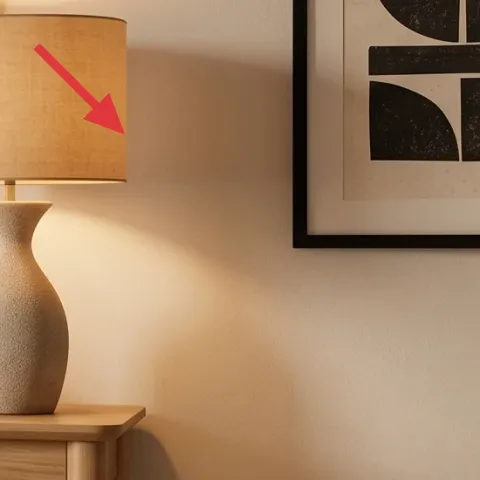
A table lamp with a fabric shade gives you that soft, amber-like glow you see here, without relying on overhead lighting. It also sits at console height, so the entry feels welcoming when you’re just stepping in. The shade matters: fabric diffuses light and keeps the lamp from looking harsh against cream walls and black accents. The trade-off is that you’ll need a safe outlet plan, but plug-in options are easy to move around during living arrangements. Once the lamp is on, even a plain console styling looks layered and “styled.”
Don’t size the lamp blindly
Too-tall can overwhelm a small entry. Aim for a shade height that still leaves breathing room around the mirror’s bottom curve.
Layer 5 — small terracotta pot ($40) DIY color you can control
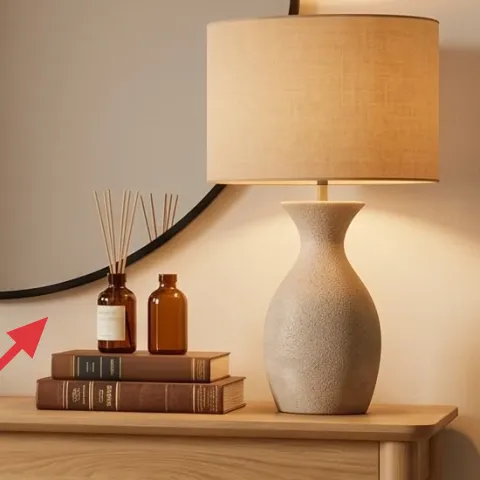
Make it instead of buying it
Paint a small terracotta pot using acrylic colors so it matches the warm palette while staying renter-safe and move-friendly.
Materials
- Unfinished terracotta pots (2 small) — 2 pots — craft store — $18
- Acrylic paint set (warm neutrals) — 1 set — craft store — $10
- Foam brushes — 2 pack — craft store — $2
- Painter’s tape — 1 roll — hardware store — $1
- Plastic drop cloth — 1 sheet — dollar store — $1
Steps
- Wipe and dry the terracotta, then tape off any areas you want clean or two-toned.
- Brush on a thin first coat of your base color and let it dry to the touch.
- Add your second color in soft bands or a simple vertical stripe pattern.
- Dot small accents around the rim for a textured, handcrafted look.
- Clean edges with a damp cloth before the paint fully sets.
- Let the pot dry completely before styling it on the console.
Total DIY cost: $32 — saves about $8 over buying.
In this styling, the terracotta pot is the little bridge between the plant basket and the ceramic vase—same earthy temperature, different shapes. Painting it is an easy way to get the “picked on purpose” look without buying a whole new plant arrangement. I like keeping the pot smaller than the vase so the mirror stays the star, but still close enough that it reads as part of the console cluster. If you’re worried about mess, tape off the rim and use thin coats—terracotta drinks paint, so patience avoids streaks.
Keep the palette tight
Two warm paint tones are enough: let the wood and rug do the rest of the work.
Layer 6 — large ceramic vase ($30) Tall silhouette, neutral finish
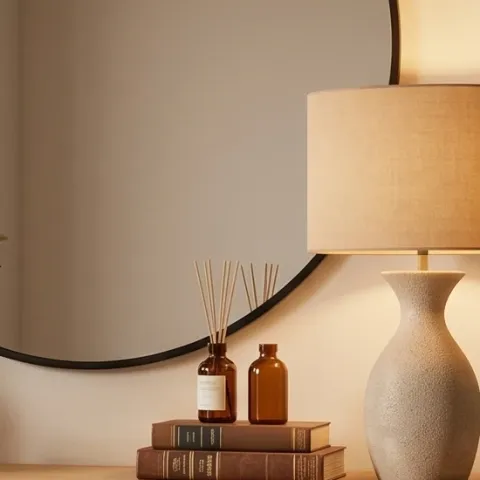
The large ceramic vase adds shape and weight on the console, balancing the round mirror above it. Its speckled, light finish keeps things bright while still looking handmade, which is why it pairs so well with the woven rug and basket. In a small entry, a tall object helps prevent the console from feeling like a flat surface. The trade-off is practical: ceramics take up visual space, so you’ll want just a few supporting pieces—like books and bottles—rather than lots of tiny decor. The upside is that you can swap the insert or stem style later without replacing the whole setup.
Use ceramics to “pull” the palette
Choose one speckled or textured ceramic piece so the natural tones feel cohesive without matching exactly.
Layer 7 — framed wall art ($80) Adds contrast without a second focal point
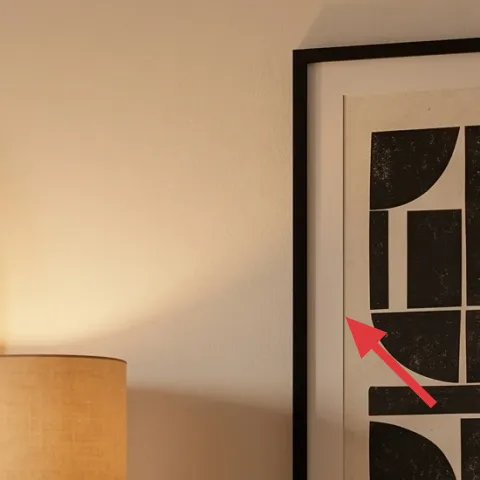
The framed wall art adds a strong black-and-cream contrast that matches the mirror frame and keeps the entry from reading too beige. In a renter setup, framing matters because it gives you a clean edge against the off-white wall and makes the art easy to pack away later. The trade-off is choosing the right size: too small feels lost beside a big mirror, while too large can dominate a narrow entry. The version in the photo works because it’s bold but not busy, so the console decor stays calm.
Match the frame color, not the art
When your mirror is black-framed, pulling that same metal tone into the frame makes everything look intentional.
The cost, layer by layer
| Layer | Item | Cost |
|---|---|---|
| 1 | Jute-look area rug (about 5×7) | $100 |
| 2 | Green indoor plant in woven basket | $35 |
| 3 | Large round wall mirror (black frame) | $120 |
| 4 | Plug-in table lamp with fabric shade | $60 |
| 5 | Small terracotta pot (DIY painted version) | $40 |
| 6 | Large ceramic vase | $30 |
| 7 | Framed wall art print | $80 |
| Total | $465 | |
If you want a cheaper version, swap the large mirror for a smaller round option and use a simpler framed print. You can also choose an inexpensive jute-look runner in a similar neutral tone to keep the grounded feel without spending on a full 5×7.
What worked, what didn't (across the whole room)
This entry console nook reads polished because the big round mirror softens the vertical slats and the warm lamp glow keeps everything gentle after dark. The ceramics and woven textures do the heavy lifting, so the styling stays minimal instead of messy.
What worked
- The round mirror balances the vertical wood slat wall and makes the entry feel less narrow.
- The tan rug grounds the floor and repeats the woven texture from the plant basket.
- Warm, diffused light from the fabric-shade lamp makes the ceramic pieces look richer.
- One tall ceramic vase adds height without adding clutter or extra furniture.
- Black-framed wall art brings contrast and keeps the palette from turning flat.
- The painted terracotta pot ties plant and ceramics together with coordinated warmth.
What didn't
- Too many small decor items on the console made the mirror feel crowded.
- A small rug version left walkway space visually “broken” around the shoe rack.
- Choosing a cool-toned bulb in the lamp made the ceramics look gray against the cream wall.
- Framed art that was too small felt disconnected from the mirror and console zone.
What we'd skip if we did it again
Skip buying a full matching “entry set.” In tight spaces, the pieces start looking like they came from the same box instead of being styled for your actual doorway and mirror size.
Skip an oversized lamp shade. A taller shade can block the view of the mirror’s curve and makes the console feel cramped, especially when the shoe rack is nearby.
Skip adding extra framed pieces. With the large round mirror already pulling focus, one bold framed print is enough to maintain contrast without turning the entry into a wall gallery.
Frequently asked
How long does this entry console nook refresh take?
Plan for 2–4 hours for the whole setup if you’re doing most swaps in one go: rug down, mirror placed, lamp plugged in, and the console styled. The painted terracotta pot DIY adds a separate block of time for drying—mostly hands-off—so you’re not babysitting it.
Is this renter-safe if I can’t change the wall?
Yes. The rug, console styling items, table lamp, framed wall art, and mirror are all chosen for easy move-out. The goal is to avoid anything that requires wall paint or permanent fixtures—keep everything modular and remove it at the end of your lease.
What if my entryway is wider or narrower than this one?
For a wider entry, increase visual balance by letting the mirror take center stage and spreading the console styling across a bit more surface. For a narrower entry, go smaller on the art and keep the console to fewer items—one vase, one stack of books, and one small planter—to prevent visual crowding.
Where should I shop differently to stay in budget?
For best savings, shop for the rug and lamp in discount home stores or during sales, then prioritize spending on one statement piece like the mirror. The ceramics and plant can come from a mix of home decor aisles and craft stores, where natural textures are usually cheaper.
What’s the biggest styling mistake in an entry console nook?
The most common mistake is treating the entry like a living room shelf and adding too many small objects. In a small entry, choose one focal point (the mirror), one tall anchor (the ceramic vase), and repeat textures (woven, ceramic, fabric) instead of repeating lots of items.
More in Small Spaces
Under $500: japandi entry console nook refresh for renters
Warm wood, cream, and black accents make this entry console nook feel intentional without any wall changes. This $500 renter-friendly refre…
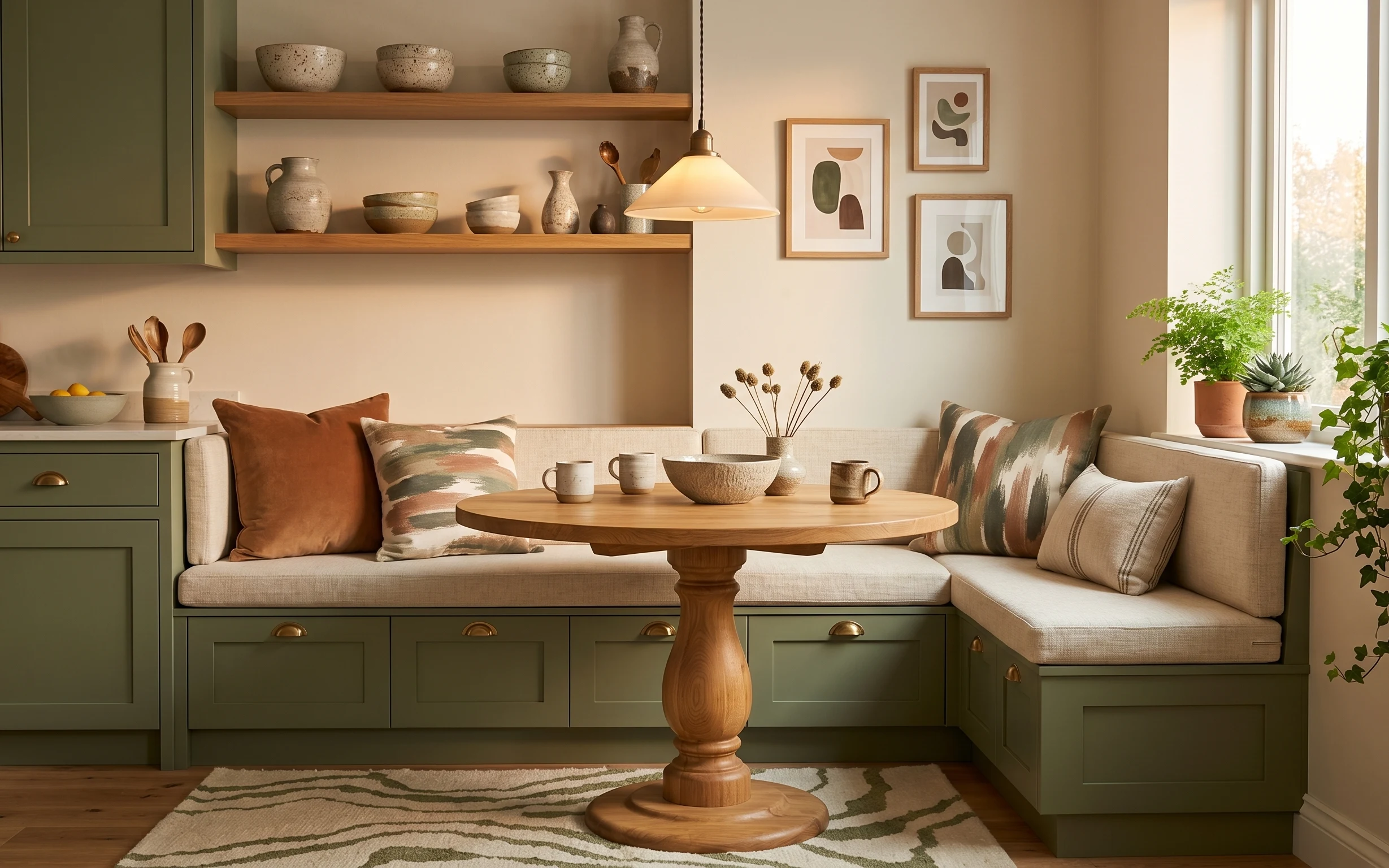
Under $400: banquette dining nook refresh with 7 renter-friendly swaps
A banquette dining nook can look styled without landlord approval. This $400 refresh uses 7 renter-safe swaps—rug, pillows, lighting, frame…
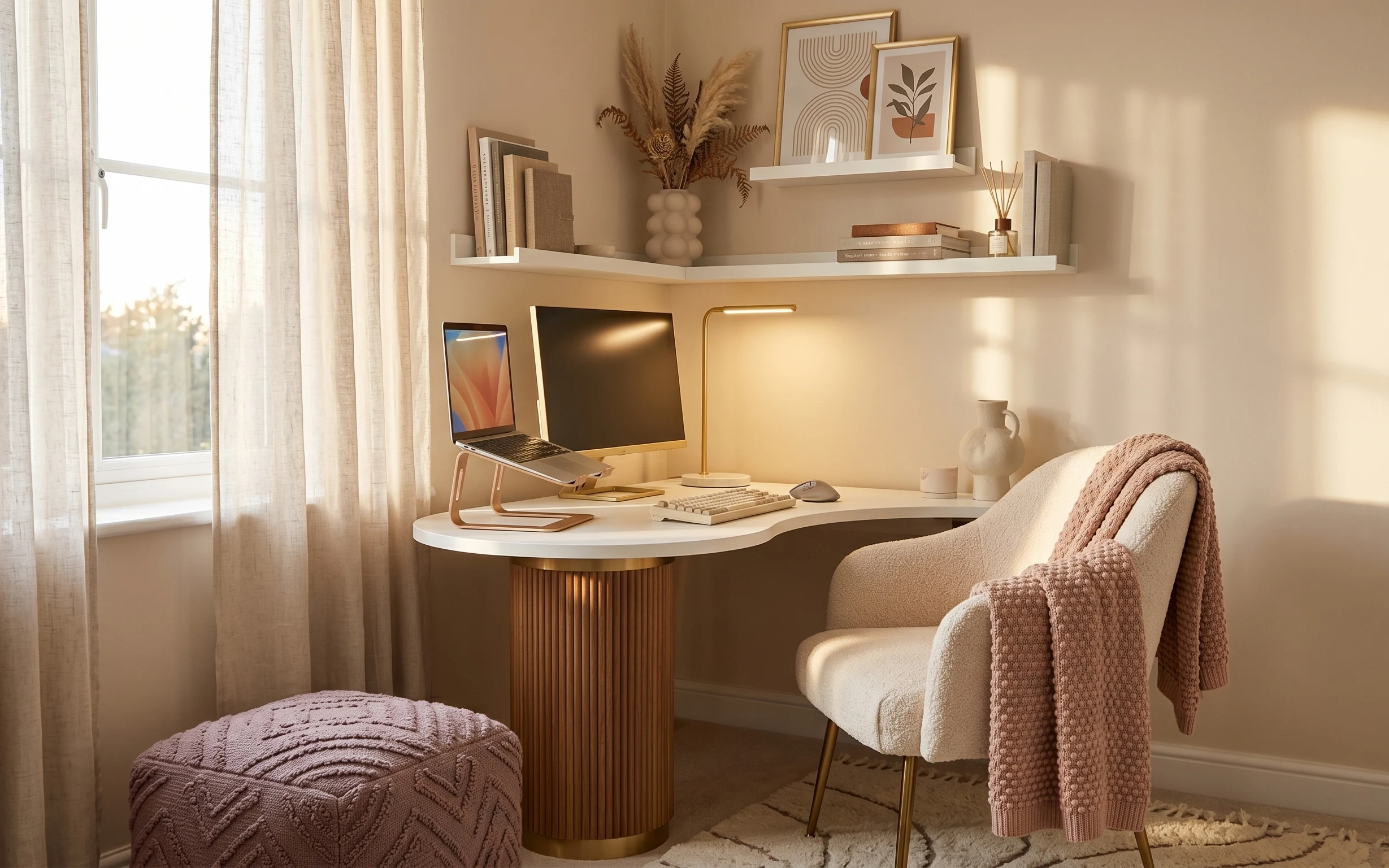
Under $500: 7 warm Japandi swaps for a home office desk nook
A light beige home office desk nook can feel calmer and more styled with seven practical upgrades. Budget stays under $500 using a layered …