- Best for
- textures and light layering
- Cost
- $250 total (under $300 ceiling)
- Time
- 2–4 hours
- Renter-safe
- yes (textiles + plug-in + removable decor)
Why olive-and-rattan textures are the bedroom of 2026
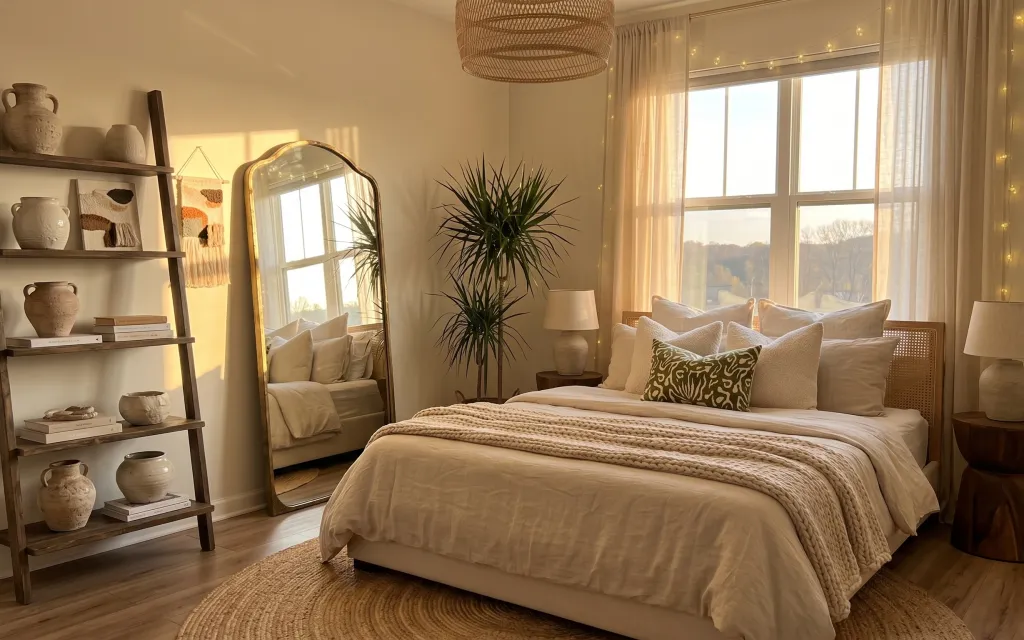
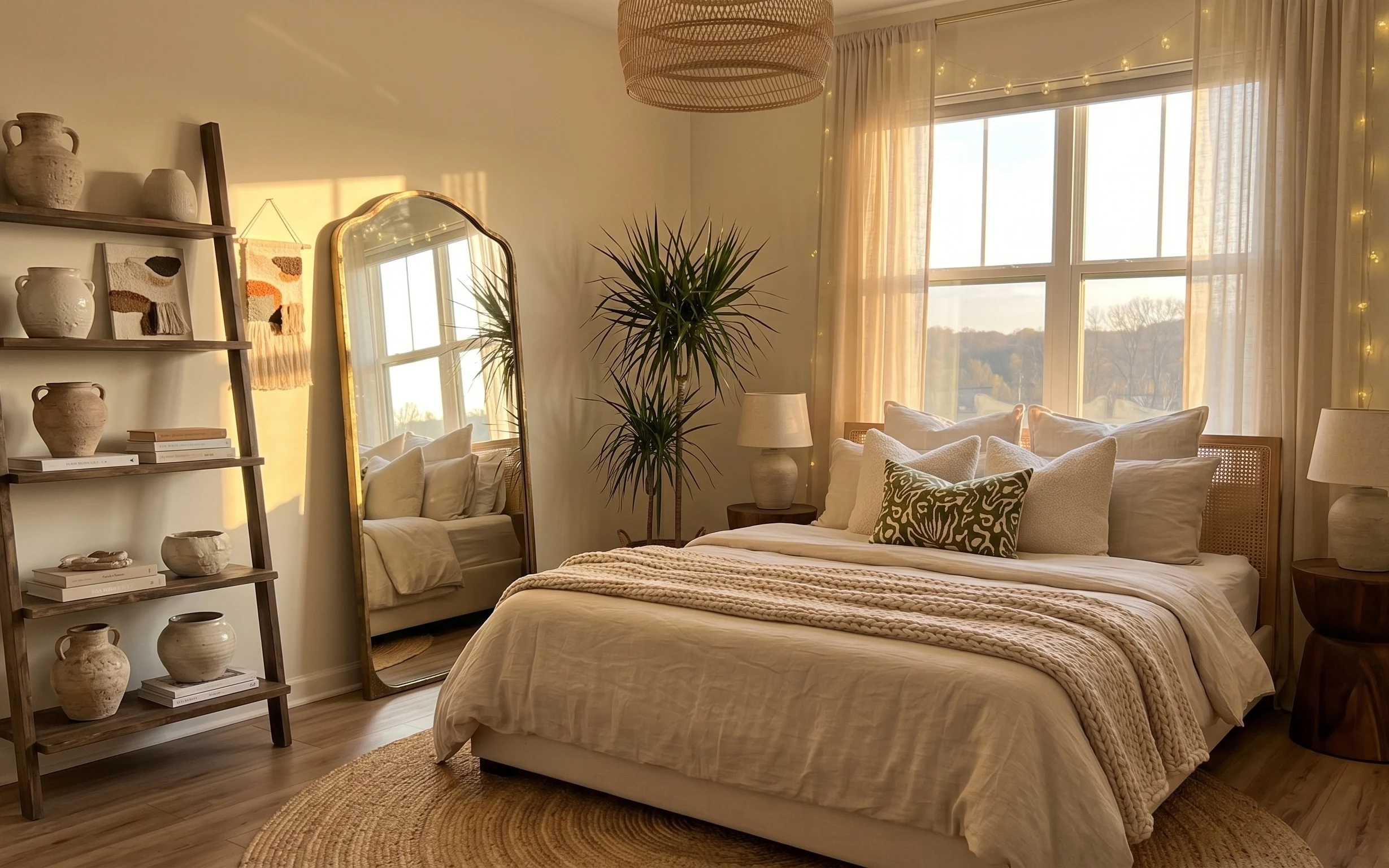
This space looks like it’s lit on purpose: warm string lights drape near the window, the rattan pendant adds a textured halo, and the layered neutrals (cream pillows, a chunky knit throw, and sheer curtains) keep everything soft. The light hardwood floor and off-white walls also help the beige rug and wood-toned furniture blend without feeling matchy. For shared housing, this is achievable because the “big feelings” here come from things you can swap fast—soft goods and freestanding pieces—rather than anything you’d need to install or repair later.
The first time I tried to copy a look like this, I overbought “statement” decor and forgot the boring part: placement. My mirror was angled wrong, so it bounced light into the wrong corner, and the whole room felt flatter. Here, the mirror’s vertical shape lines up with the bedding, and the string lights sit high enough that they read as a ceiling-level glow instead of clutter.
Layer 1 — beige area rug 8×10 ($80) Softens bare hardwood underfoot
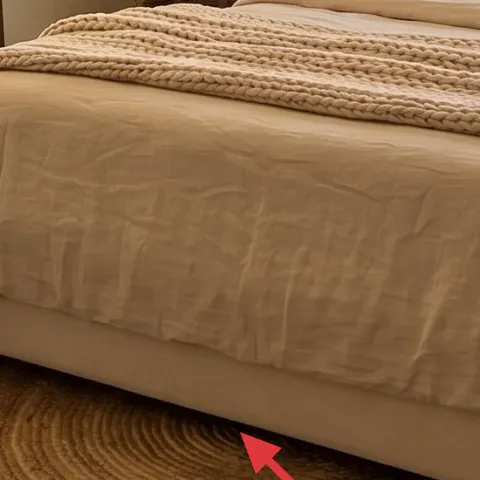
A beige area rug is the foundation here, and it’s the easiest piece to make a bedroom feel finished without committing to anything permanent. In the photo, the rug sits under the bed and creates that calm, warm “buffer” between the light wood floor and the layered bedding tones. The trade-off is that a lighter rug needs quick spot care, but it also reflects light so the room doesn’t feel heavy. Choosing an 8×10-style footprint helps the bed visually land on the rug instead of floating.
Let the rug start a scale line
Pick a rug big enough that the front of the bed can sit at least partially on it; that one decision keeps the room from looking like separate parts.
Layer 2 — arched wall mirror ($40) Brings in extra window brightness
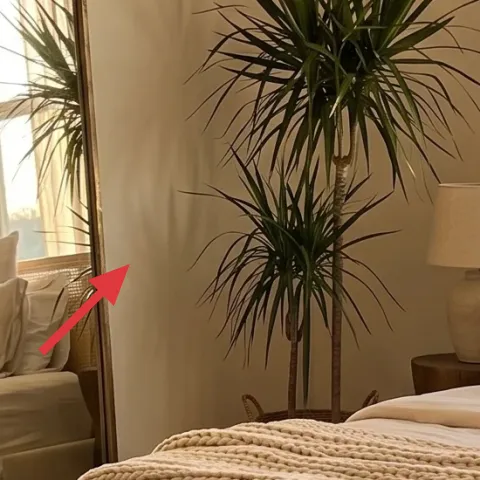
The arched wall mirror does two jobs at once: it amplifies the daylight from the window and it adds that curved, boho-friendly shape that your eye naturally relaxes into. You can see it catching light and reflecting the bed area, which makes the bedroom feel deeper than it is. The “obvious alternative” would be a flat rectangle mirror, but the arch reads softer against the straight bed lines and the layered textiles. If your mirror comes with hanging hardware that isn’t renter-safe, look for one meant to use a removable hanging method instead.
Curves feel warmer than rectangles
In a neutral room, the mirror shape matters—an arched silhouette blends with rattan and knit textures.
Layer 3 — sheer beige curtains (panel pair) ($30) Filters light like a soft diffuser
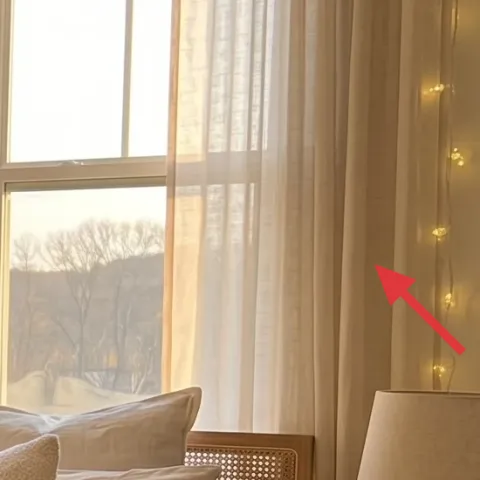
Sheer curtains are doing the quiet magic: they turn bright outdoor light into a creamy glow, which makes the whole palette look intentional. In the photo, the curtains hover around the window height, letting the bedding colors stay warm without harsh contrast. The trade-off is less privacy at night, but that’s an easy fix with the right nighttime fabric swap (or by living with the look if the bedroom isn’t street-facing). Choosing a sheer panel pair keeps it packable and rental-friendly, and it’s also one of the fastest ways to change the “mood temperature” of the room.
Hang high, then let them pool a little
Higher placement makes the ceiling feel taller and keeps the beige curtains from looking like they’re just covering a window.
Layer 4 — string lights set ($15) Adds a warm glow without a hardwired fix
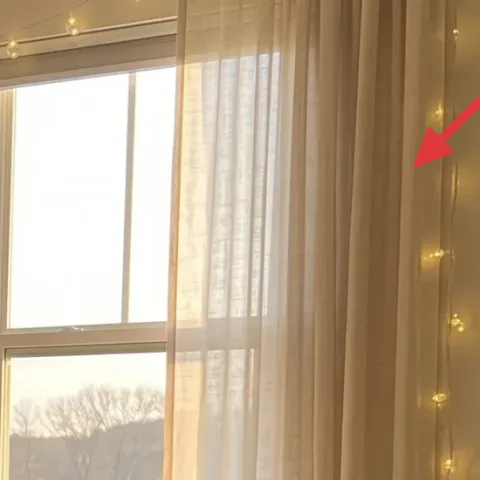
String lights are the instant charm factor, especially in a bedroom like this where the overall vibe is warm and softly textured. In the hero image, the lights run near the window area, creating tiny points of glow that echo the warm lamps and the rattan pendant overhead. The advantage versus adding another lamp is flexibility: you can move the strand if the next lease changes layout. The trade-off is that they require outlet access and a quick untangle when packing, but it’s still far more move-ready than ceiling work.
Skip heavy suction if your walls are delicate
If you use removable hooks, test first—some strips can pull paint on plaster or textured surfaces.
Layer 5 — plug-in table lamp with beige shade ($25) Makes bedside corners feel styled
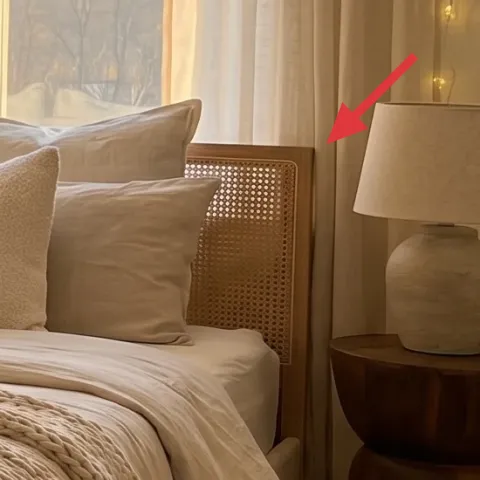
Two lamps aren’t just for lighting; they frame the bed and make the space feel layered at different heights. The lamp shades in the photo are beige and soft, which keeps the glow gentle against the cream bedding and off-white walls. If the instinct is to buy a matching lamp set, consider the trade-off: too much match can feel like a dorm display. Picking a single lamp with a similar shade tone lets the room look coordinated while still feeling personal. Choosing a plug-in lamp keeps it rental-safe and packable.
Match by shade tone, not by brand
Warm white light plus a beige shade does more for cohesion than identical lamp shapes.
Layer 6 — tall potted plant (4–6 ft) ($30) Adds height and liveliness
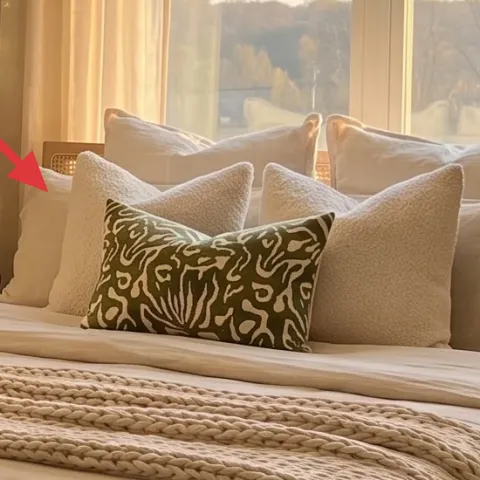
A tall potted plant adds that vertical “breathing room” between the window and the bed, which is especially important in a bedroom where the headboard area already holds most of the visual weight. In the photo, the plant’s spiky fronds create contrast against the smooth bedding and the neutral wall behind it. The trade-off is logistics: a taller plant takes up more space than small decor, so it’s a piece to buy only if you can transport it safely in your next move. If you’re worried, pick a lightweight nursery pot and use a removable tray or cover that packs flat.
Place it to balance the mirror
Set the plant so its height visually counters the mirror curve; the pairing makes the whole corner feel deliberate.
Layer 7 — throw pillow cover (patterned) ($30) Brings the room’s graphic note
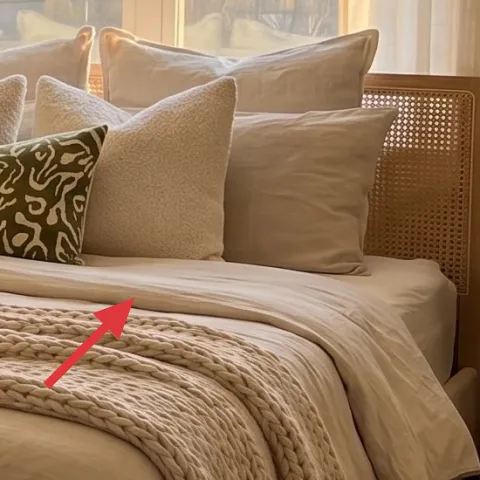
Patterned pillow covers are the fastest way to add visual rhythm without changing furniture. In this bedroom, the patterned accent pillow sits against the solid white cushions and keeps the palette from feeling too uniform. The trade-off is choosing a pattern you can live with for months, not days—because pillow covers are the thing you’ll see every time you sit up. Dyeing lets you control the color story to match the rest of the neutrals while staying move-ready.
Make it instead of buying it
DIY-dye a spare white pillow cover to create a patterned-leaning accent tone that matches the room’s warm neutrals.
Materials
- White cotton pillow cover — 1 — thrift/clearance — $12
- Fabric dye powder — 1 box — craft store — $3
- Salt (for dye bath) — 1 bag — grocery — $2
- Gloves — 1 pair — hardware store — $1
- Drop cloth/paper towels — 1 roll — household — $0
Steps
- Pre-wet the pillow cover so the fabric absorbs evenly.
- Stir dye in hot water with salt until fully dissolved.
- Immerse and agitate gently for even color; check shade at the midpoint.
- Rinse in cool water until runoff runs clear.
- Air-dry, then heat-set if your dye brand recommends it.
- Fluff and insert (or swap) once fully dry.
Total DIY cost: $18 — saves about $12 over buying.
The cost, layer by layer
| Layer | Item | Cost |
|---|---|---|
| 1 | Beige area rug (8×10 style) | $80 |
| 2 | Arched wall mirror (removable hanging) | $40 |
| 3 | Sheer beige curtains (panel pair) | $30 |
| 4 | String lights set | $15 |
| 5 | Plug-in table lamp with beige shade | $25 |
| 6 | Tall potted plant (4–6 ft) | $30 |
| 7 | Throw pillow cover (patterned) | $30 |
| Total | $250 | |
If going cheaper matters most, scale back the mirror and skip the plant at first—start with rug + sheer curtains + string lights. That trio changes the room’s light quality fast, even when the rest is still arriving.
What worked, what didn't (across the whole room)
Overall, the look holds together because the visuals repeat the same warm neutrals across textures: rug fibers, sheer fabric, knit bedding, and soft lamp glow. The only moments that felt a little “too much” were when patterns and shine competed.
What worked
- The beige rug created a grounded zone under the bed, so the neutral bedding looked intentional.
- The arched mirror added brightness and softened the straight lines of the bed and shelving.
- Sheer curtains diffused daylight into a warm, consistent backdrop for the pillows.
- String lights at the window height made the room feel cozy without installing anything permanent.
- The plant’s height balanced the mirror and brought movement into a mostly neutral palette.
- The patterned pillow cover gave a graphic focal point without changing the bed frame.
What didn't
- If the string lights sag too low, they read like clutter instead of warm ambient glow.
- Too many patterned pillows in the same tone made the bed area look visually busy.
- A mirror that’s angled down slightly too far can bounce light off the wrong surfaces.
- If the sheer curtains aren’t hung high enough, the room can feel shorter and heavier.
What we'd skip if we did it again
Skip adding more hard “statement” decor at table height (extra glossy objects and matching sets). In this style, the softness comes from textiles and light placement, so extra accessories can end up competing with the glow.
Skip buying a mirror and lamp purely by shape match. Instead, match the warmth of the shades and the curve of the mirror to the rest of the neutrals—color temperature matters more than symmetry.
Skip oversizing the sheer curtains if the window is narrow. Better to buy the right panel width and hang high than to bunch fabric mid-window, which can make the whole bedroom feel cramped.
Frequently asked
How long does this bedroom refresh take?
Plan for about 2–4 hours depending on how quickly you can style the bed and find hooks for the string lights. Sheer curtains usually take the longest because they need neat height and even pooling. The rug and pillow cover changes are straightforward, while the mirror and plant placement are the “visual tweaks” that can take a little extra time.
Is this renter-friendly for shared housing?
Yes—most of the changes are textiles (rug, curtains, pillow covers) plus plug-in lighting and moveable decor like a mirror and string lights. The key is choosing removable hanging methods that don’t damage walls, and using a plan for transporting the tall plant safely when leases change.
What if my room is smaller than the photo?
Go smaller on the rug footprint and keep the bed proportions simple: one patterned pillow, one chunky knit throw, and fewer accessories on side surfaces. Hang sheers high and let them skim the window area instead of bunching. String lights should stay higher than eye level to avoid visually shrinking the space.
What if I have more space to work with?
Use that extra width to add a second lamp or extend the string light run across a broader window span. Keep the curtain panels full so they fall in soft vertical lines. If you can, size up the rug so the bed visually “lands” in the rug zone rather than sitting partly off it.
Where should I shop for these pieces without blowing the budget?
Rugs and pillow covers are usually the easiest to find at home goods stores, discount retailers, and thrift. String lights and plug-in lamps are often cheapest during seasonal sales. For mirrors and plants, check local classifieds for the core item, then budget for a safe hanging method and a consistent warm-toned pot or cover.
What’s the biggest mistake people make with this kind of bedroom?
Overdoing the matchy-match factor. When every item is the same shade and shape, neutral rooms can feel flat instead of layered. Another common miss is string lights placed too low—keeping them near window height makes the glow look intentional rather than like random decoration.
More in Bedroom
Under $300: boho bedroom refresh with move-ready swaps
A boho bedroom refresh built from renter-safe, move-ready swaps: rug warmth, sheer curtain softness, and string-light glow—plus a mirrored …
Under $350: olive-and-terracotta daybed nook refresh
A renter-friendly daybed nook refresh that leans olive, terracotta, and warm lights. This look comes together with 7 swap-in layers (includ…
Under $700: warm neutral bedroom refresh with renter-safe swaps
A warm neutral bedroom makeover you can do without painting or drilling: pillows, a plug-in lamp, a DIY abstract print, a throw blanket, re…