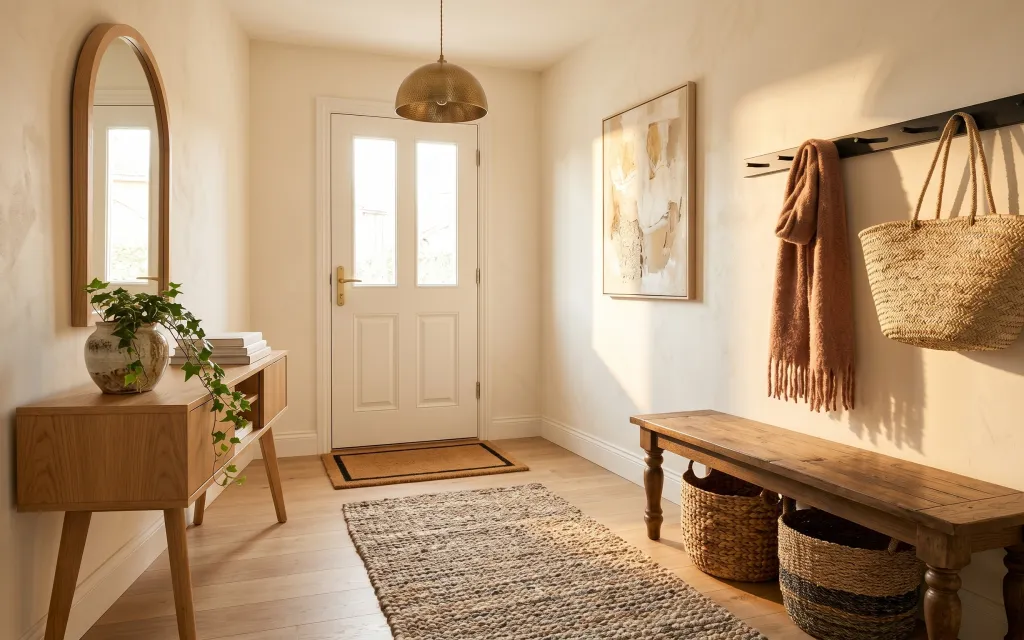
- Square footage
- works well in ~60–120 sq ft entry zones
- Cost
- under $300 for 7 layers
- Difficulty
- Easy (mostly soft goods + one DIY print)
- Renter-safe
- No drilling, move-ready swaps
Why warm earthy entryway styling is the entryway bench nook of 2026
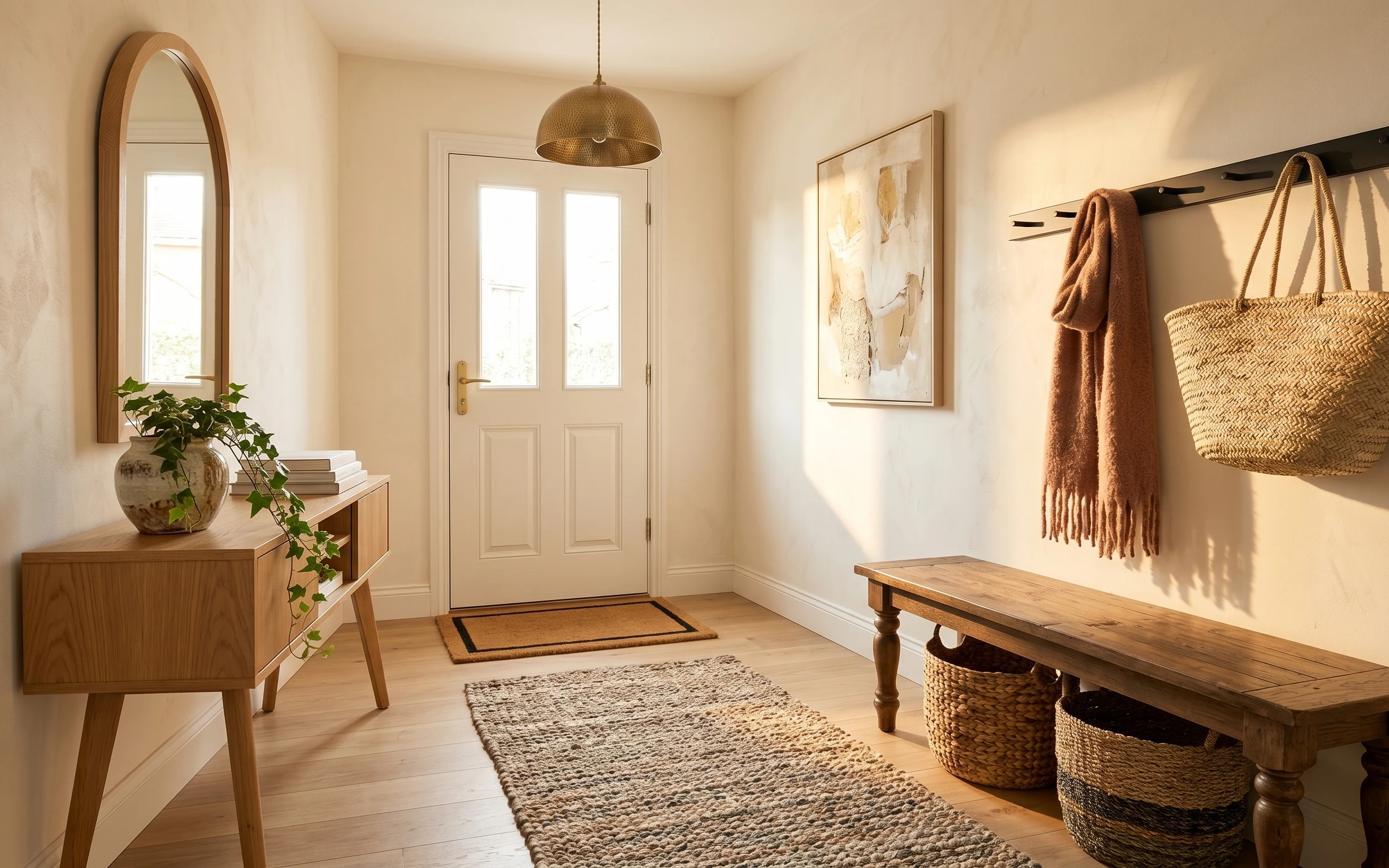
The hero photo nails the “quiet boho” thing: two different rug textures on a light wood floor, a wood-framed arched mirror to bounce daylight, and a single glass vase holding glossy green leaves. The brass pendant adds warmth overhead, while the terracotta textile brings that desert-rust punch. For shared housing, the reason this works is simple—most impact comes from soft goods and portable decor, not from changing anything fixed. Everything here can be packed into a few boxes when a lease ends.
I used to overbuy on hard items—like trying to make a rented space look “finished” with wall installs. In my last place, I learned the hard way that mirrors and rugs do more than I want to admit, especially in narrow footprints. This time I focused on texture (stacked rug weaves) and color rhythm (wood + terracotta), and the whole spot started looking intentional without any permanent work.
Layer 1 — large gray textured area rug ($80) Dense pile that hides the everyday
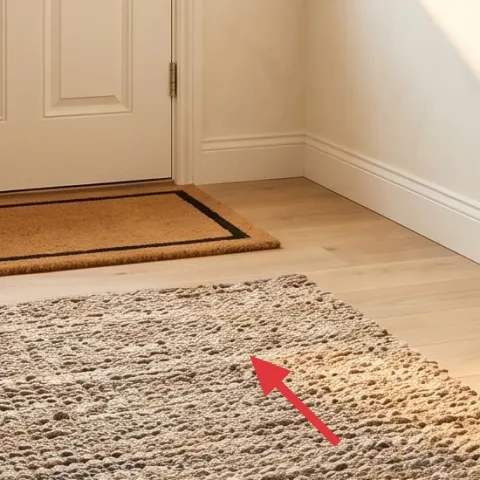
A large gray textured area rug anchors the whole entry zone with that low-contrast, lived-in base. In the photo, the surface reads as tightly looped and slightly raised, which is great for shared-house reality: dropped keys, scuffs from shoes, and the occasional mystery spill. The trade-off is vacuuming effort—textured fibers grab grit—so a good handheld or a quick pass of a regular vacuum matters. The obvious alternative is a flat, low-pile rug, but it doesn’t soften the floor seams as well.
Pick texture over trend
In a small entry, the rug’s weave is what you’ll feel every day—aim for looped or tightly tufted patterns like this one.
Layer 2 — small beige textured rug ($80) A second welcome mat for color contrast
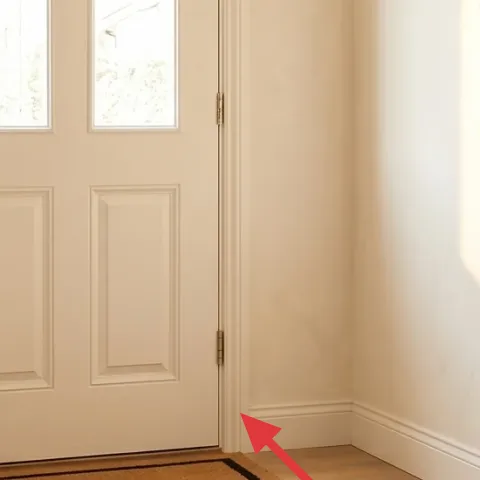
Layering a smaller beige rug adds a “landing strip” effect underfoot, separating the bench-from-the-door moment visually. Here, the small rug sits closer to the entry and reads lighter than the big gray one, so it brightens the center without fighting the warm wood tones. The trade-off is size discipline: keep the smaller rug proportional so it doesn’t look accidental. If you skip the layer, the space can feel one-note and flat; if you go too big with the small rug, it’ll overwhelm the nook’s lines.
Layering works best with different neutrals
Gray and beige give you contrast without new colors, which is ideal for a move-friendly palette.
Layer 3 — green leafy plant ($30) Height that makes the nook feel taller
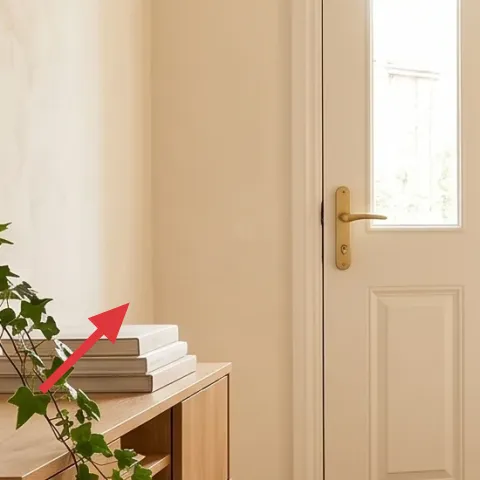
A green leafy plant brings life and softness right where people walk in and out, and it also adds a vertical element to balance the horizontal bench. In the photo, the leaves spill outward and upward from the vase, creating movement against the smooth off-white walls. The trade-off is maintenance: even a forgiving plant still needs a weekly glance for droop. A common alternative is artificial greenery, but real leaves read more natural in daylight and look less “catalog” under warm pendant light.
Don’t pick a plant that needs constant care
In shared housing, routines change—choose something that tolerates missed watering if you’re often on the go.
Layer 4 — glass vase ($12) Keeps the plant from feeling precious
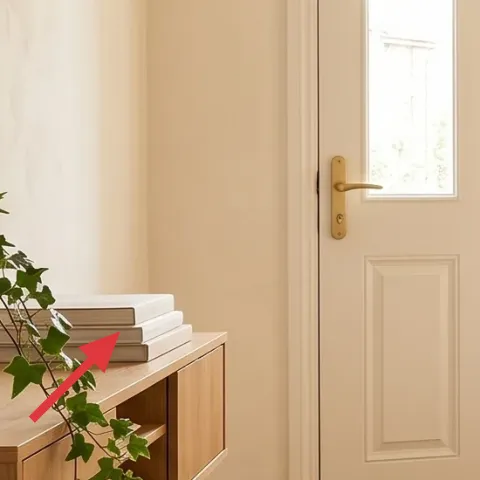
The glass vase matters because it reframes the plant into a styling object without adding bulk. The hero has a clear, rounded shape that lets the green stay the focus while the vase’s weight and transparency keep the corner from looking cluttered. The trade-off is fragility—glass breaks if it gets bumped in a move—so pack it with padding and use a box dividers if you have them. The alternative is a ceramic planter, but glass tends to “lighten” small-entry corners where you want air.
Match the vase to your rug palette
Clear glass blends with both gray and beige rugs, so you don’t have to commit to another color.
Layer 5 — wood-framed arched wall mirror ($40) Light-bounce without any drilling
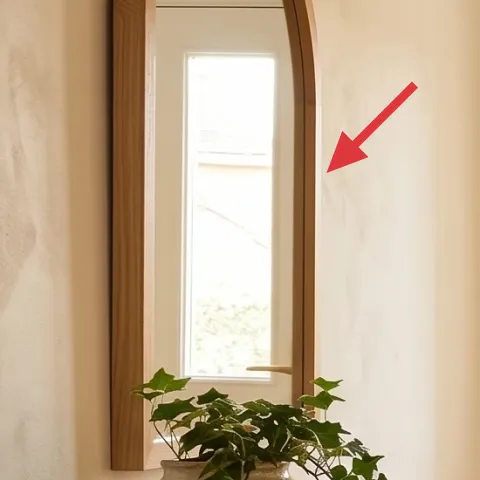
An arched mirror gives you the same payoff as a light-colored wall upgrade—more brightness, better sightlines, and that “wider hallway” trick—without changing anything fixed. In the photo, the warm wood frame echoes the bench’s tone, which keeps the whole nook cohesive instead of patchwork. The trade-off is that mirrors show dust and fingerprints more than matte decor, so wipe it before guests arrive. If you go with a round or frameless mirror, you lose the warmth that the arched wood brings.
Stick to a warm wood frame
When your floors and furniture are warm, a wood frame keeps the mirror from feeling cold.
Layer 6 — large framed abstract print ($25) DIY color wash you can pack flat
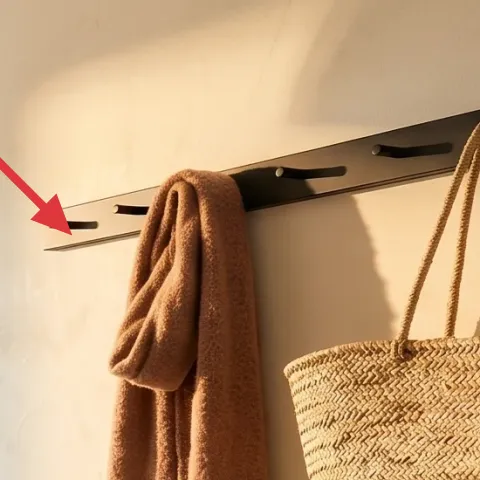
Here’s the move-friendly hack: keep the “framed art” role, but swap in a DIY print that still reads large from across the entry. The photo’s abstract piece mixes warm off-whites with soft beige and sand tones, which pairs beautifully with gray textiles and the terracotta towel. Buying a ready-made framed print can be pricier than it looks, so DIYing a cardstock version lets you control the palette while staying light enough for future packing. The trade-off is slight softness in the final texture—cardstock won’t have canvas weight—but that’s part of the relaxed look.
Make it instead of buying it
DIY a hand-painted abstract on cardstock in warm beige-and-cream tones, then tuck it into a simple frame the day it goes on the wall.
Materials
- Cardstock (pack of 25) — 1 pack — store stationery shop — $6
- Craft acrylic paint set — small set — craft store — $10
- Clear protective sleeve or folder — 1 — office supply store — $4
Steps
- Cut the cardstock to the exact print size you want to fit the frame opening.
- Lightly sketch your rough shapes with a pencil, keeping them abstract and loose.
- Paint broad warm fields first (cream, beige, sandy tan), then add a few ragged “brush-stroke” edges.
- Let the paint fully dry in a flat place, then check from standing height for balance.
- Slip the finished print into a protective sleeve so it packs without scuffs.
Total DIY cost: $20 — saves about $5 over buying.
Layer 7 — woven storage basket on the bench ($20) Texture storage for shoes and small stuff
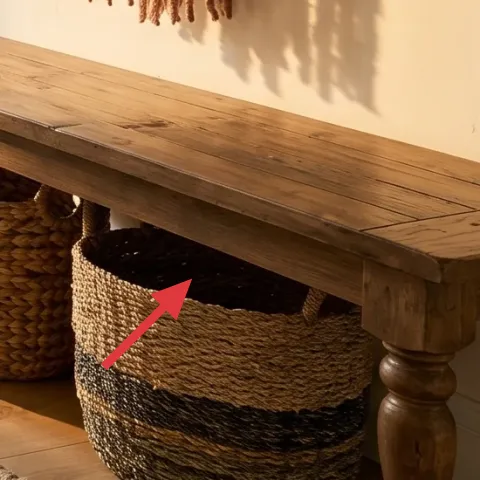
A woven basket beside or under the bench is the small-space shortcut that stops an entry from feeling chaotic. In the photo, the basket’s natural texture echoes the warm wood and adds depth next to the gray rug, so the corner doesn’t rely on only one material. The trade-off is that a basket can look messy if it’s overloaded—keep it to “in rotation” items like hats, scarves, or a pair of everyday shoes. A decorative box could work, but woven reads more casual and hides things better when the room’s busy.
Use it like a catch-all, not a storage dump
When the basket holds only one category of items, it still looks styled even on busy weeks.
The cost, layer by layer
| Layer | Item | Cost |
|---|---|---|
| 1 | Large textured area rug (5×7) | $80 |
| 2 | Smaller textured area rug (5×7) | $80 |
| 3 | Indoor plant (4–6 ft) | $30 |
| 4 | Glass vase | $12 |
| 5 | Mirror (24–36"), wood frame | $40 |
| 6 | Large framed abstract print (DIY ~$20 in materials) | $25 |
| 7 | Woven storage basket | $20 |
| Total | $287 | |
If you want a cheaper variant, keep the mirror and go lighter on rugs: choose one large textured rug instead of two, then add only a smaller runner-style mat. Swap the plant for a smaller tabletop plant and reuse a familiar vase shape you already own.
What worked, what didn't (across the whole room)
The biggest win is texture layering: the rugs and woven basket create depth that feels intentional even in a narrow entry. The mirror also does heavy lifting by adding warmth and light bounce, so the nook doesn’t feel boxed in. The only place this look can tip is when accessories get too numerous—then the warm neutrals start competing.
What worked
- Two rug textures separate “door zone” from “bench zone” without adding any permanent features.
- The arched wood mirror keeps the palette warm and makes the hallway feel brighter.
- Green leaves add movement against off-white walls and prevent the space from feeling flat.
- Glass vase styling reads light and portable, which matters for shared moves.
- Woven storage keeps small-entry clutter contained while matching the natural wood tones.
What didn't
- Too-similar rug colors can blend together and make the area feel smaller than it is.
- Overstuffing the basket turns “styled storage” into visual clutter fast.
- Extremely low-pile rugs don’t hide scuffs as well in high-traffic entryways.
- Cardstock art needs a protective sleeve when packing; otherwise it smudges in transit.
What we'd skip if we did it again
Skip adding a second “matchy” framed art piece. In a small entry, two statement prints start to feel busy, and the mirror already gives you that visual punch with light bounce.
Skip going too dark with both rugs. One lighter anchor rug keeps the doorway from feeling like a shadow box, especially when the rest of the palette is warm wood and terracotta.
Skip decorative storage with smooth surfaces that show everything. Woven baskets and textured rugs hide minor mess better, which is the difference between “styled” and “stressed” in shared housing.
Frequently asked
How long does this entryway refresh take?
Plan for about 2–3 hours total if the rugs and decor are already in hand. The only slow part is rug placement (making sure edges don’t fight), plus the framed-art DIY drying time if you’re painting the cardstock the same day. Packing should be quick because everything here is light and removable.
What if I’m renting and can’t mount anything to the wall?
Choose a mirror and framed art option that doesn’t require drilling, like a frame that can rest with hardware designed for rentals or removable hanging methods. The styling plan still works even if you delay the art for later—prioritize rugs and the plant first, since those deliver the “finished” look fastest.
Can I scale this down if my entry is even smaller?
Yes—keep the large textured rug and use just one smaller mat, or swap to a slimmer runner-style rug. You can also reduce the plant size while keeping the green color. The key is keeping one warm wood element (mirror frame) and one textured storage item so the nook doesn’t look empty.
What if my room is bigger and needs more visual weight?
Add a larger rug instead of doubling up with two small ones, and go for a bigger framed print in the same warm tones. You can also add a second woven basket for function, but keep it to one “storage” container type so the textures stay cohesive.
Where should I shop for these items on a shared-housing budget?
Look for rugs at big-box retailers and online rug marketplaces, where you can filter by texture and neutral shades. Mirrors and baskets often show up at thrift and discount home stores, especially if you’re flexible on exact shapes. For the DIY, grab cardstock and acrylic paint at any craft store.
What’s the biggest mistake to avoid in a small entry nook?
Overloading the surface. Entries look cluttered faster than living rooms because everything is visible during passes through the space. Stick to one plant, one mirror, one framed art focal, and one storage basket—then let the rug texture do the rest.
More in Small Spaces
Under $300: warm earthy entryway bench nook refresh
A warm, earthy entryway bench nook refresh for shared housing—built around two rugs, a mirror, and easy styling swaps. This plan keeps ever…
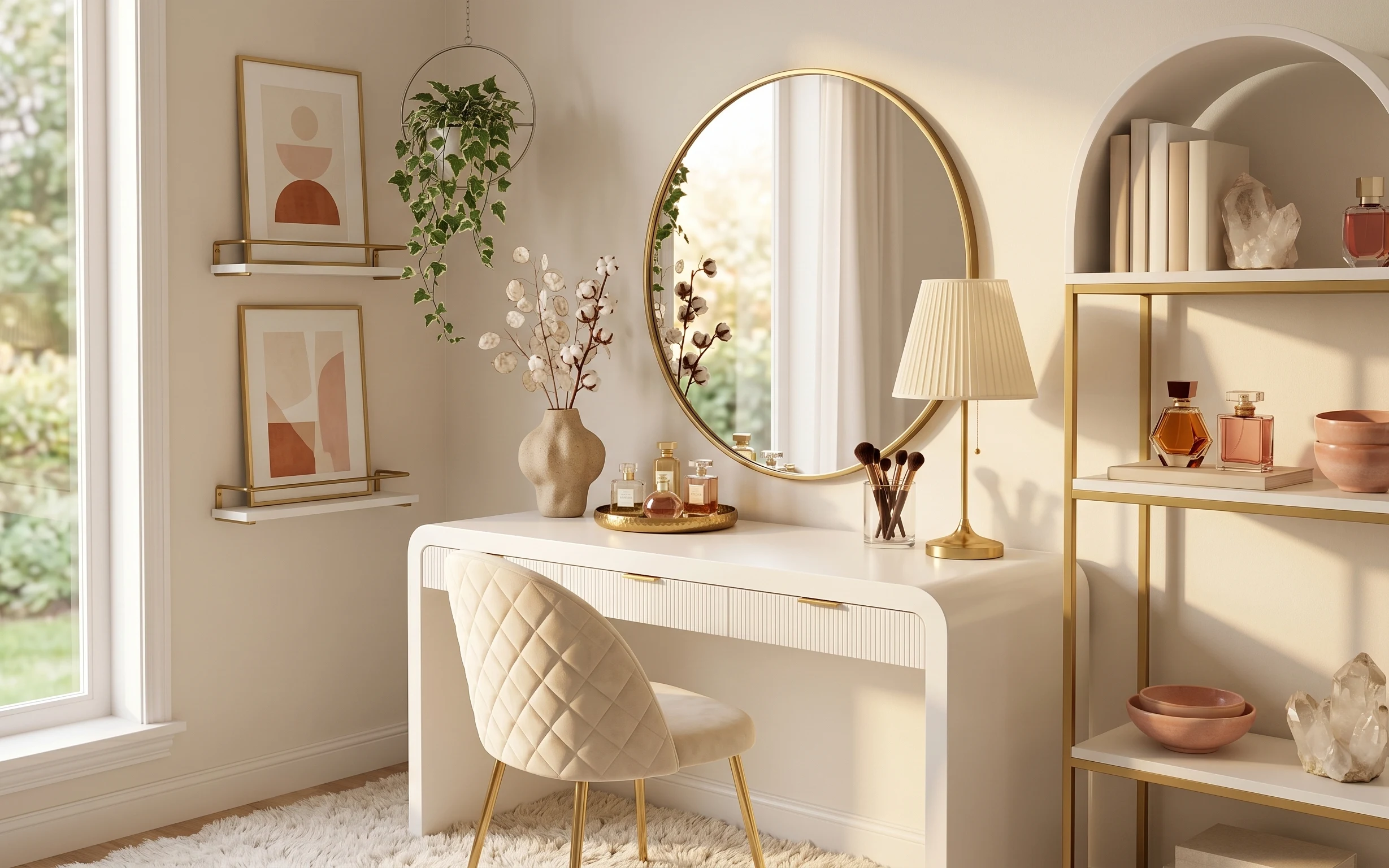
Under $600: warm terracotta-and-brass small-space refresh
A warm, japandi-leaning vanity shelf nook makeover using 7 move-ready swaps, all renter-safe and no-drill. The look centers a round gold mi…
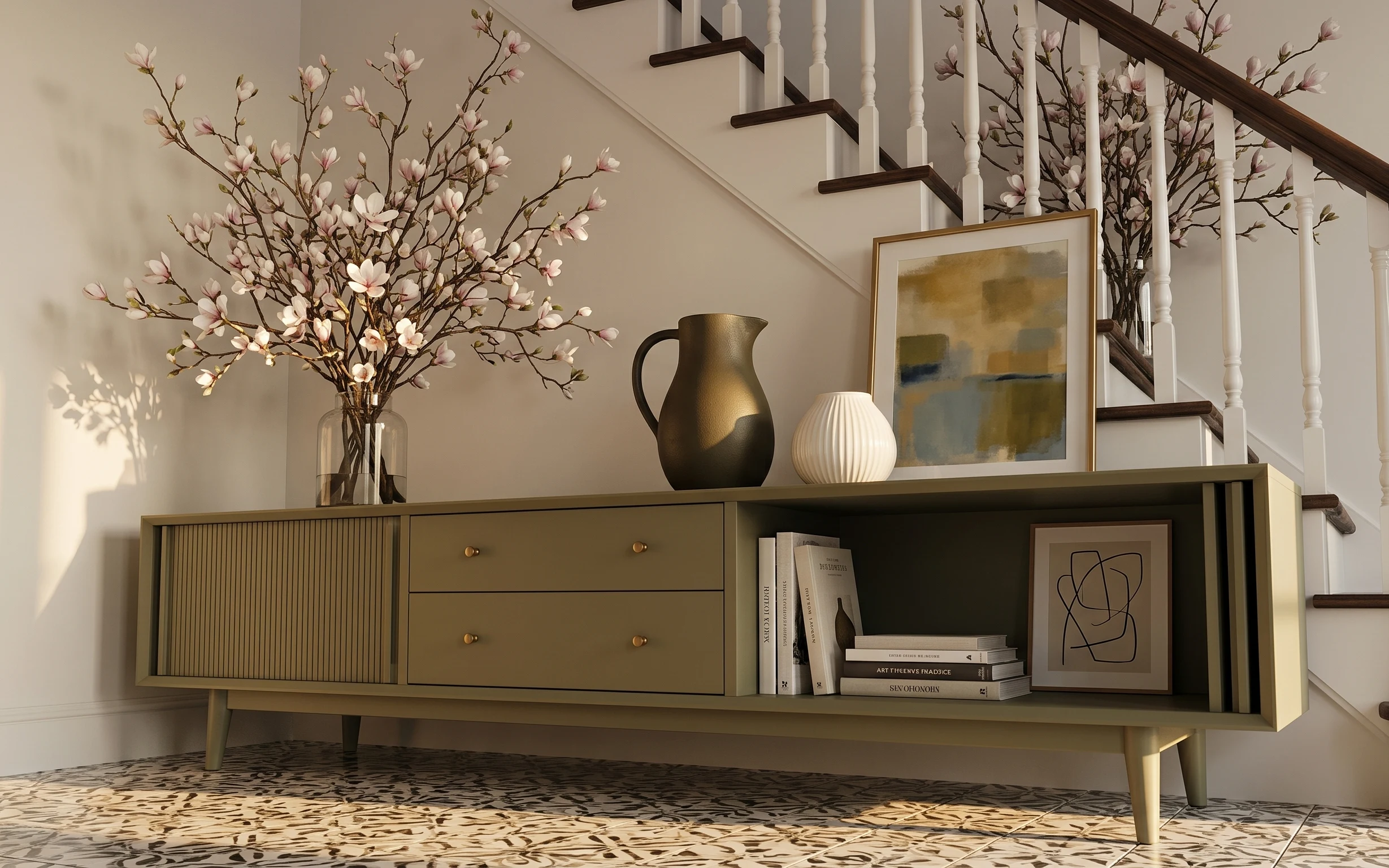
Under $500: stair-entry credenza refresh with soft blush accents
A staircase entry can feel finished without landlord permission. This under-$500 refresh uses a patterned rug, a long credenza styling layo…