- Best for
- Budget-friendly bedroom styling that packs up
- Cost
- Under $500
- Difficulty
- Moderate (wallpaper measuring)
- Time
- A long weekend
Why sage-leaf wallpaper is the bedroom of 2026
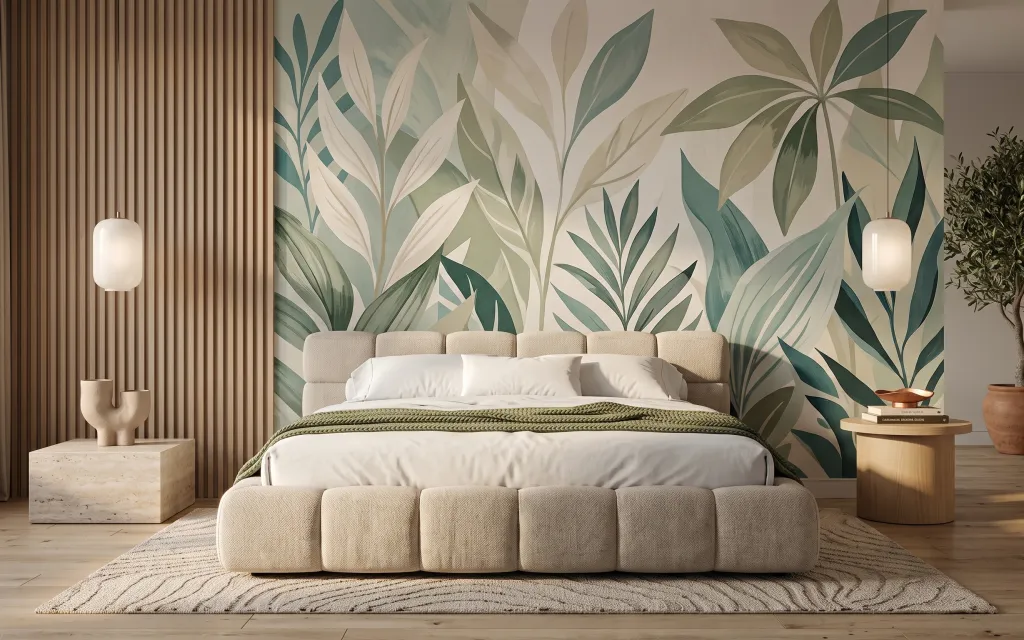
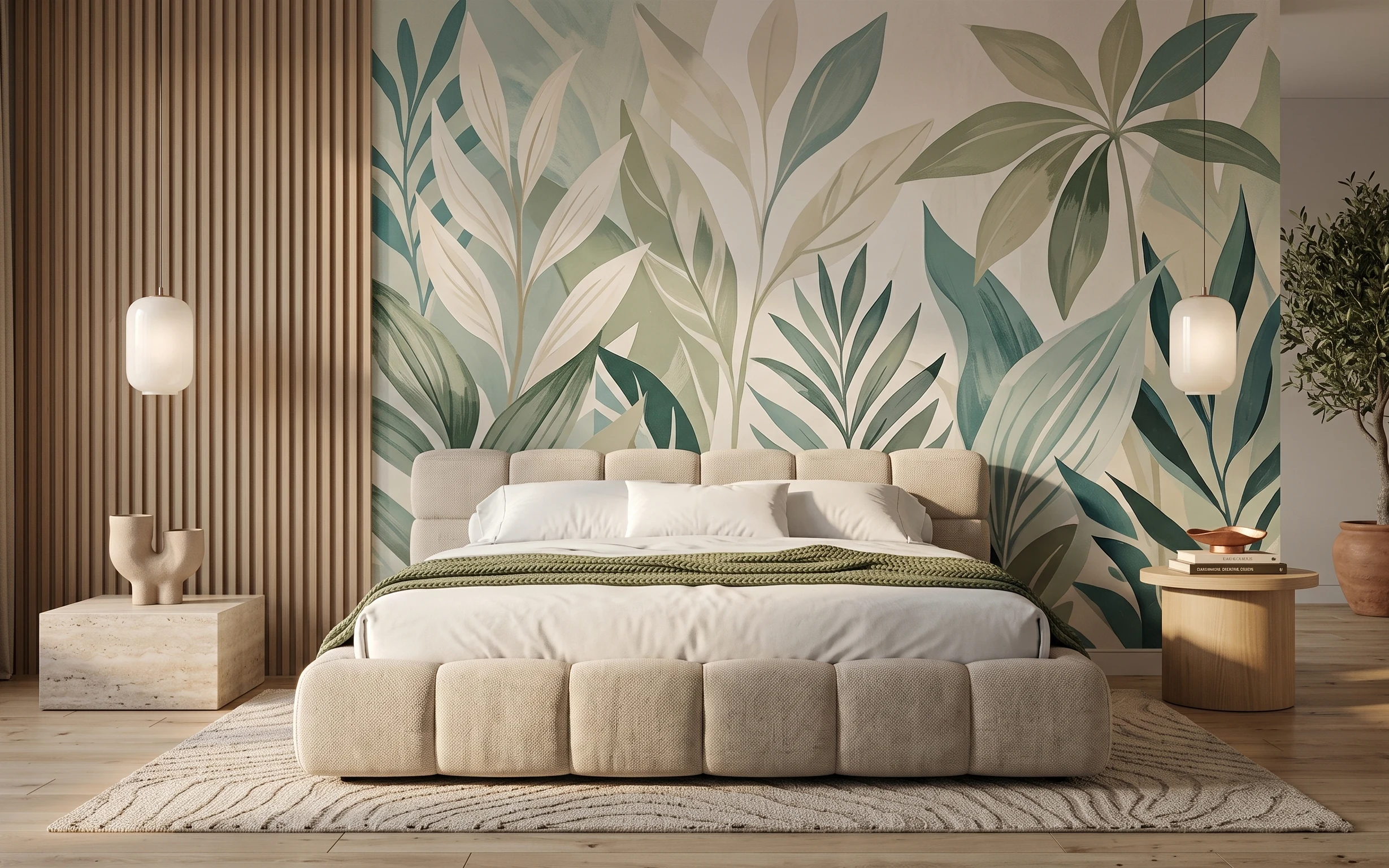
Smooth, leafy wallpaper is doing the heavy lifting here—right behind the bed, it turns a rented wall into a calm “garden room” moment. In front, the chunky olive knit throw and the crisp white bedding bring texture contrast, while the patterned rug anchors everything on warm wood flooring. The whole scheme works because the palette stays tight: cream, beige, and sage green. Best of all for renters, you don’t need any wall fixes beyond peel-and-stick, and the lighting is plug-in.
I used to overthink lighting in rentals and end up with one sad lamp that never matched the scale of the room. This time, I paid attention to height: the white glass shades give that soft, diffused glow without fighting the green wallpaper. The other mistake I caught myself making was choosing “decor that matches the wall”—instead, I picked decor that matches the room’s textures (knit, woven, and terracotta).
Layer 1 — patterned area rug ($150) Grounds the palette in warm texture
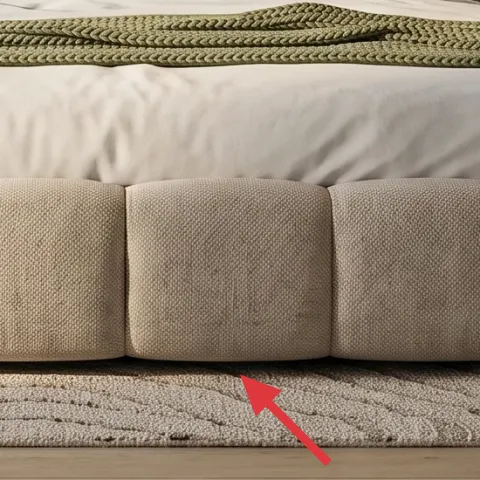
The patterned area rug sits under the bed and at the foot of the bench, so it has to do two jobs: soften hard wood flooring and visually “lock in” the color story. Look at how the rug’s neutral base keeps the sage-green wallpaper from feeling too loud, while the subtle pattern adds movement once the bedding and throw go on top. The obvious alternative—skipping a rug—would leave the room feeling flat and echo-y, especially with smooth surfaces. This rug choice keeps the bedroom looking finished, even when the curtains are partly open.
Pick a neutral pattern first
When the wallpaper already has bold leaves, choose a rug where the background is cream or beige and the pattern stays subdued.
Layer 2 — leaf-pattern wallpaper mural ($100) Creates the biophilic backdrop
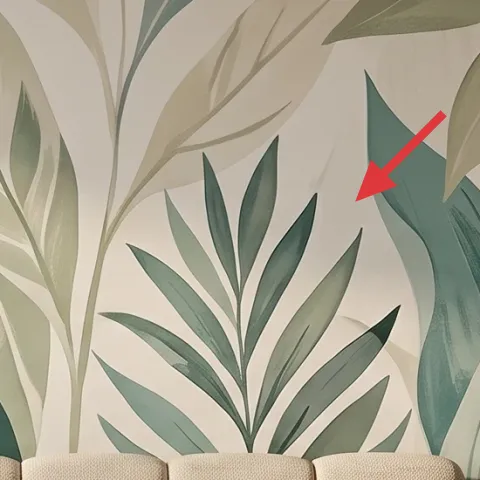
The leaf-pattern wallpaper mural is the visual anchor behind the bed, and it’s what makes the whole room feel designed instead of decorated. Because the greens are mostly muted (sage to olive tones), it blends with cream bedding and the olive knit throw rather than clashing. For renters, peel-and-stick wallpaper is the practical win here: it gives you the “feature wall” effect without paint, sanding, or landlord conversations. The trade-off is alignment—large patterns are more finicky than plain stripes—so careful measuring matters more than fancy tools.
Wallpaper works best when colors stay limited
Bring in only one accent direction (sage here) through textiles and small decor so the mural feels intentional.
Layer 3 — plug-in table lamps (white glass shades) ($50) Adds soft glow without hardwiring
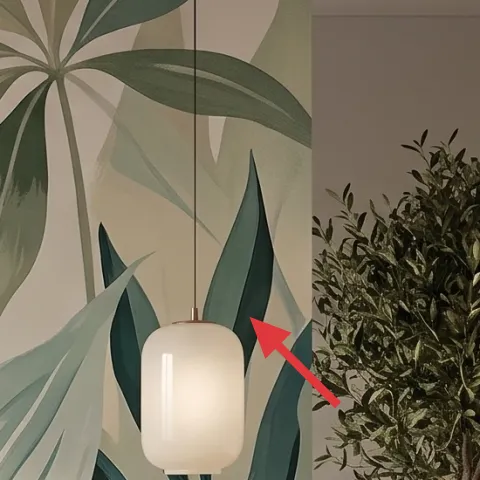
Those plug-in table lamps with white glass shades add the warm “after dark” layer the wallpaper can’t provide on its own. They sit on the nightstand zones, and the glass diffuses light so the room stays gentle instead of harsh. If you’d rather save effort, it’s tempting to rely on overhead lighting only—but the bed area needs focused light at a similar height to the wall interest. Choosing lamps that match the same shade material helps both sides of the room read as a pair, even if one is slightly closer to the bed.
Avoid yellow-cast bulbs
If the shade is off-white, a very cool bulb can look clinical; start with warm, soft bulbs so the green wallpaper stays flattering.
Layer 4 — wood side table ($80) Gives you a styling surface and lamp height
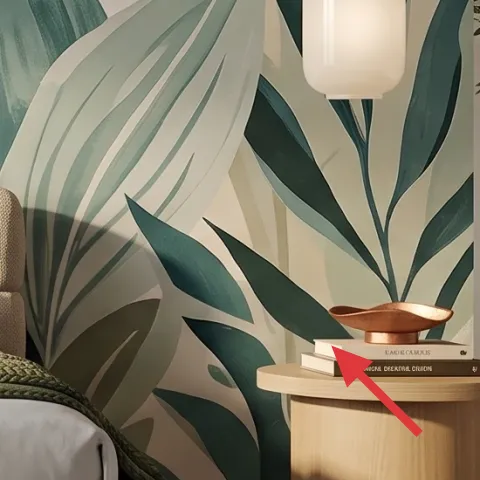
The wood side table on the right gives the styling “landing pad” where the lamp and accessories live, and it also helps balance the cooler tones in the leaf wallpaper. Notice how the warm wood sits next to cream bedding and beige curtains—without adding extra color chaos. A simple metal side table would read colder against sage greens, while a too-dark wood could make the lamp shade look heavier. This medium-tone wood choice keeps the room grounded while still letting the mural remain the star.
Match wood temperature to your rug base
Since the rug is neutral and warm, a medium wood tone prevents the room from tipping either too gray or too brown.
Layer 5 — beige curtain panels ($30) Softens the vertical lines
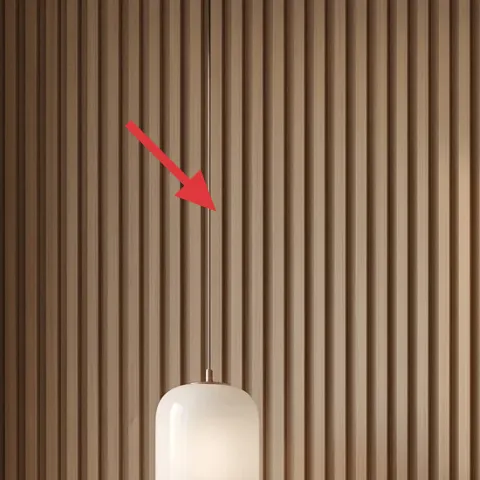
Beige curtain panels frame the left side and soften the room’s edges, which matters when the wallpaper has big leaf shapes and the bed has clean upholstered geometry. The curtains also help control how the room reads during the day—when the light comes through, the cream and beige tones look cohesive with the white bedding. The trade-off is that sheer or very thin curtains may not give you the same visual “weight,” especially with a bold mural behind the bed. A fuller panel look keeps the whole composition balanced.
Let curtains echo the rug, not the wallpaper
Pick a curtain color that matches the rug’s background so the wallpaper remains the pattern you notice first.
Layer 6 — decorative tray with decorative books ($15) Adds lived-in polish on the side table
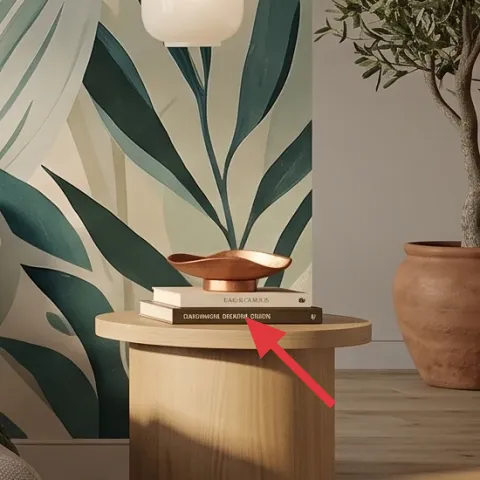
On the wood side table, a decorative tray plus a small stack of books turns “lamp placement” into a styling moment. The tray creates a boundary so the objects look intentional rather than piled, and the book spines add a bit of visual height that complements the lamp shade. If the side table is empty, the room can feel like it’s missing the last 10% that makes it feel used and not showroom-perfect. Keeping the items in one small zone also prevents competing with the wallpaper mural’s busy leaf pattern.
Use a tray to stop clutter drift
Even in small spaces, a tray keeps books, decor, and a pot-looking item from spreading out visually.
Layer 7 — terracotta plant pot (for leafy plant) ($35) Brings earthy warmth to the sage greens
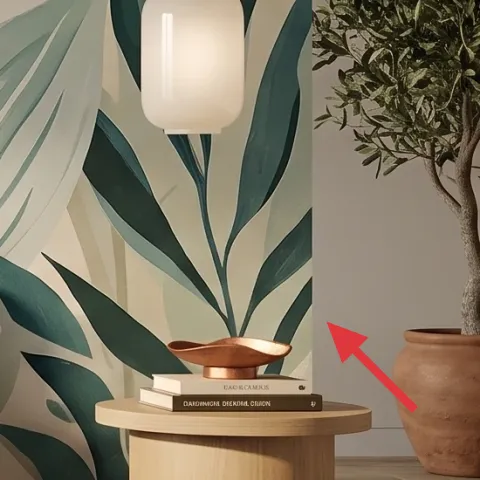
The terracotta plant pot adds instant earthy contrast against sage wallpaper and cream bedding. Terracotta reads warm and tactile, so it pairs naturally with the knit throw and the woven texture of the patterned rug. In this setup, the pot sits on the floor near the right-side styling area, so it feels like part of the room’s “biophilic” story rather than an afterthought. Buying a pre-styled pot can get pricey, which is why a painted approach is a smart renter-friendly substitute—especially when the rest of the look is already budgeted.
Make it instead of buying it
This DIY paints a set of terracotta pots so you can build the same earthy warmth for less than a pre-styled planter.
Materials
- Terracotta pots — 2 small pots — thrift/discount store — $10
- Acrylic paint — 1 small assortment — craft store — $8
- Sponge brush or foam roller — 1 pack — craft store — $3
- Painter’s tape — 1 roll — hardware store — $4
Steps
- Wipe pots clean and dry completely, then tape off any areas you want left unpainted.
- Paint on the first thin coat using a sponge brush for an even, slightly textured finish.
- Add a second coat after the first coat looks dry to the touch.
- Pull off tape carefully to keep edges crisp.
- Let the paint set fully overnight in a well-ventilated spot.
- Use the painted pots for a leafy plant placement near the side table.
Total DIY cost: $25 — saves about $10 over buying.
The cost, layer by layer
| Layer | Item | Cost |
|---|---|---|
| 1 | Patterned area rug | $150 |
| 2 | Peel-and-stick leaf-pattern wallpaper mural | $100 |
| 3 | Plug-in table lamps with white glass shades (pair) | $50 |
| 4 | Wood side table | $80 |
| 5 | Beige curtain panels (pair) | $30 |
| 6 | Decorative tray plus decorative books | $15 |
| 7 | Terracotta plant pot | $35 |
| Total | $460 | |
If you want a cheaper version, swap the wallpaper for a smaller peel-and-stick leaf section on the wall, and choose a solid neutral rug with a tighter pattern. You can also buy one lamp instead of two and use a floor lamp alternative later.
What worked, what didn't (across the whole room)
This bedroom reads cohesive because every layer supports the same three-way palette: cream/beige neutrals, sage-green leaves, and warm terracotta accents. The lighting and rug do most of the “softening” so the mural never overwhelms the bed area. The only downside is that big-pattern wallpaper takes time to align.
What worked
- The leaf-pattern mural behind the bed makes the room feel intentional without painting or drilling.
- The patterned rug grounds the bed and prevents the neutral bedding from looking too flat.
- The plug-in lamps add warm diffusion that complements the white glass shade look.
- The beige curtain panels soften the room’s vertical shapes and frame the left side.
- Terracotta in a plant pot adds earthy contrast against sage greens.
- A tray keeps the decorative books from looking scattered beside the lamp.
What didn't
- Wallpaper alignment can be fiddly with large leaf shapes, especially if you’re working alone.
- Two lamps can feel “too much” if the room is very small, so scale matters.
- If curtain panels are too thin, the room can look unfinished next to the bold mural.
- An overly dark wood table could make the lamp shade feel heavy against the cream tones.
What we'd skip if we did it again
Skip going wallpaper-wide if the wall is small or the room layout is cramped. In that case, place the leaf-pattern peel-and-stick on a shorter section behind the bed instead, then let curtains and the rug do the rest of the work.
Skip buying matching side-table decor sets from the same retailer. Instead, mix one “structured” element (tray or books) with one organic one (leafy plant) so the room reads collected, not purchased at once.
Skip using a cool, high-output bulb that makes the white glass shades look bluish. Choose warm, diffused light so the sage wallpaper stays soft and the whole bedroom feels calm instead of stark.
Frequently asked
How long does this bedroom refresh take?
Plan on a long weekend. The rug and curtains are quick, and setting up plug-in lamps is mostly unboxing. The part that eats time is peel-and-stick leaf-pattern wallpaper—measure twice, dry-fit sections, and smooth slowly to avoid bubbles. If you’re nervous, do one wall section first and take breaks so the pattern alignment stays consistent.
Will peel-and-stick wallpaper work for renters at move-out?
Yes, as long as you follow the brand’s removal instructions and don’t over-stretch or crease panels. Peel-and-stick generally lifts with less damage than paint, but old textured walls or wallpaper underlayers can behave differently. Keep a plastic smoothing tool handy for installation and take photos before you remove it so you can match placement later if you reinstall.
What if my bedroom is smaller than this photo?
Scale the wallpaper and accessories. Use a shorter peel-and-stick run behind the bed so the leaf pattern doesn’t feel crowded, and choose curtains that still have width when fully closed. If you can’t fit two lamps comfortably, place one plug-in lamp where it best lights the bedside zone and rely on the mural and rug for the rest of the visual “richness.”
What if my bedroom is bigger and the bed sits farther from the wall?
Give the mural more breathing room by placing it exactly behind the bed’s back area so it stays the focal line. Add the lamps on both sides if the room has enough surface area, and keep the rug large enough that the front legs of the bed sit on it. In bigger rooms, the tray-and-books styling should look slightly taller so it doesn’t disappear next to the plant.
Where should a renter shop for the key pieces?
Start with the rug and curtains, then build around the wallpaper color story. For plug-in lamps, look for white glass shades and warm bulb compatibility at thrift stores, Facebook Marketplace, or discount home sites. For the tray, books, and terracotta pot, craft and home stores usually have a fast selection—just keep the palette tight: cream/beige, sage/olive, and warm terracotta.
What’s the biggest mistake people make with a mural wallpaper bedroom?
They underestimate alignment and end up with mismatched leaves or crooked seams. Another common issue is bringing in too many extra colors through blankets, art, and small decor, which makes the mural feel chaotic. The fix is simple: keep textile colors neutral (cream/beige) and reuse the mural’s one green family through an olive knit throw and the plant pot.
More in Bedroom
Under $500: sage-leaf bedroom refresh with 7 renter swaps
A sage-leaf wallpaper mural, two plug-in lamps, and a patterned rug create a high-impact bedroom look for under $500—no drilling, no paint,…
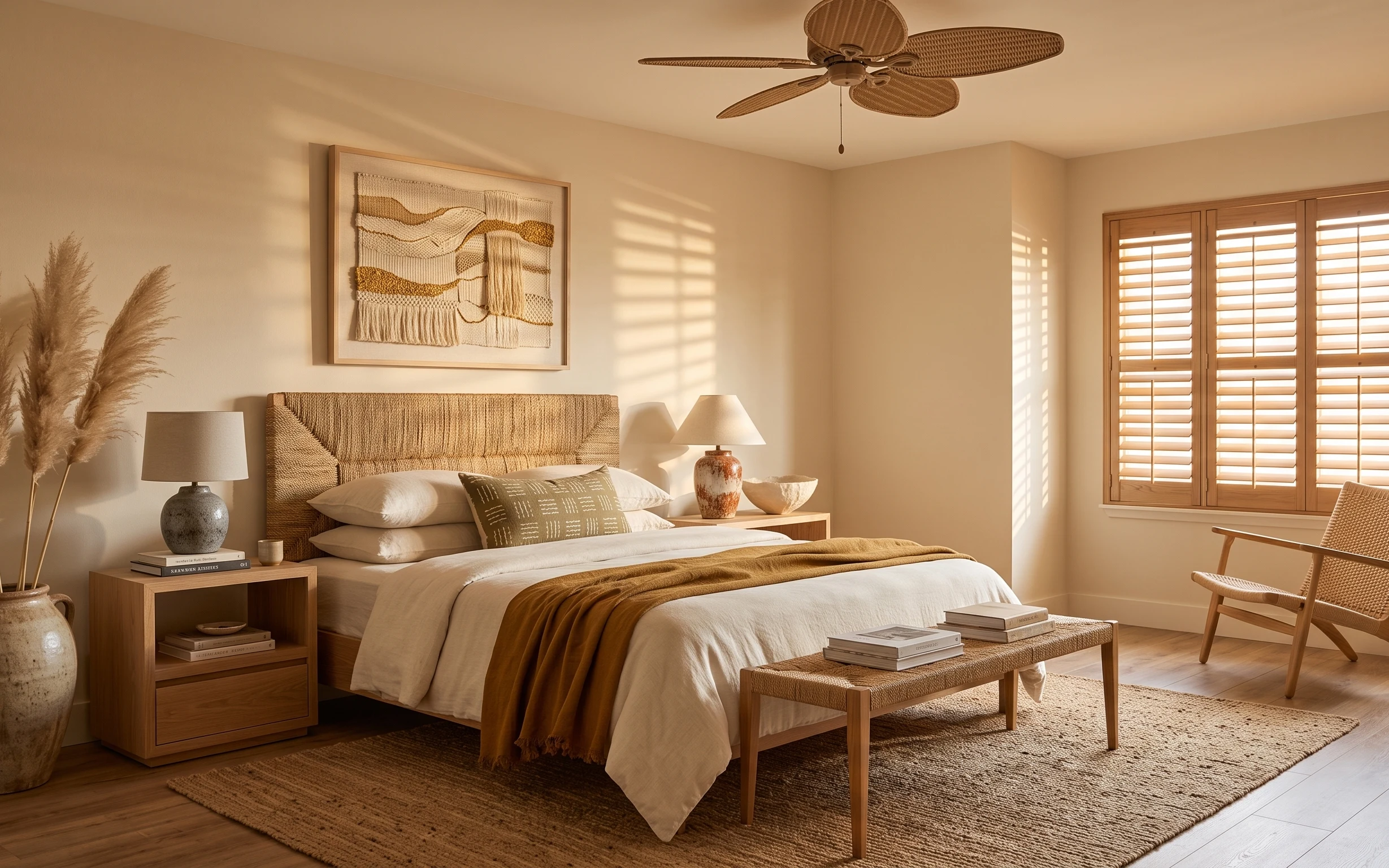
Under $700: warm neutral bedroom refresh with 7 upgrades
A warm, boho bedroom refresh you can finish over a weekend for under $700. Use a jute-look rug, one statement framed piece, and cozy bedsid…
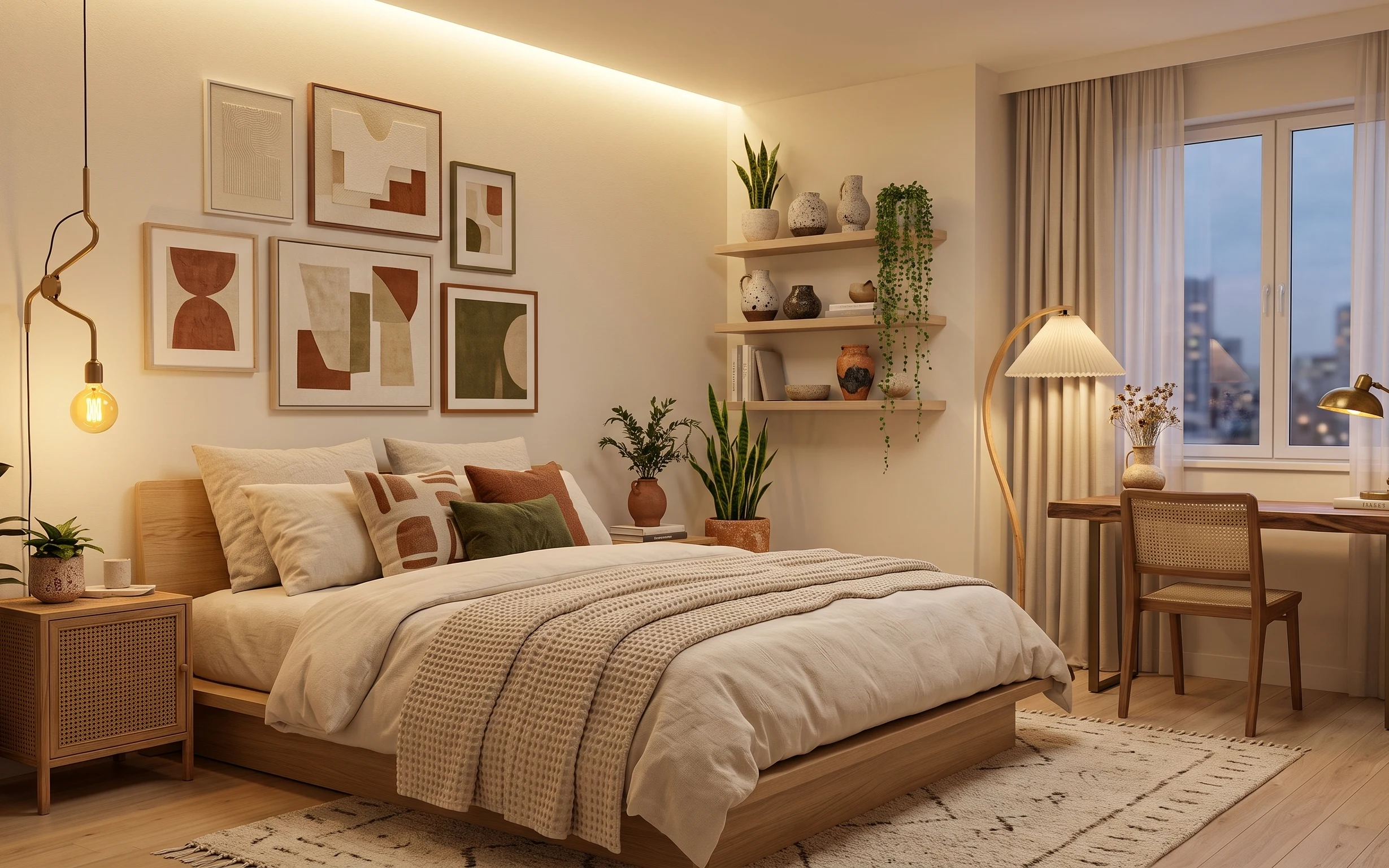
Under $600: olive-and-terracotta bedroom swaps with 7 layers
A warm, earthy bedroom look—olive accents, cream textiles, and framed art—built from 7 move-ready swaps. This refresh stays under $600 and …